
Jaguar Population Up 30% in Mexico, But the Work's Far From Over
Michelle Milliken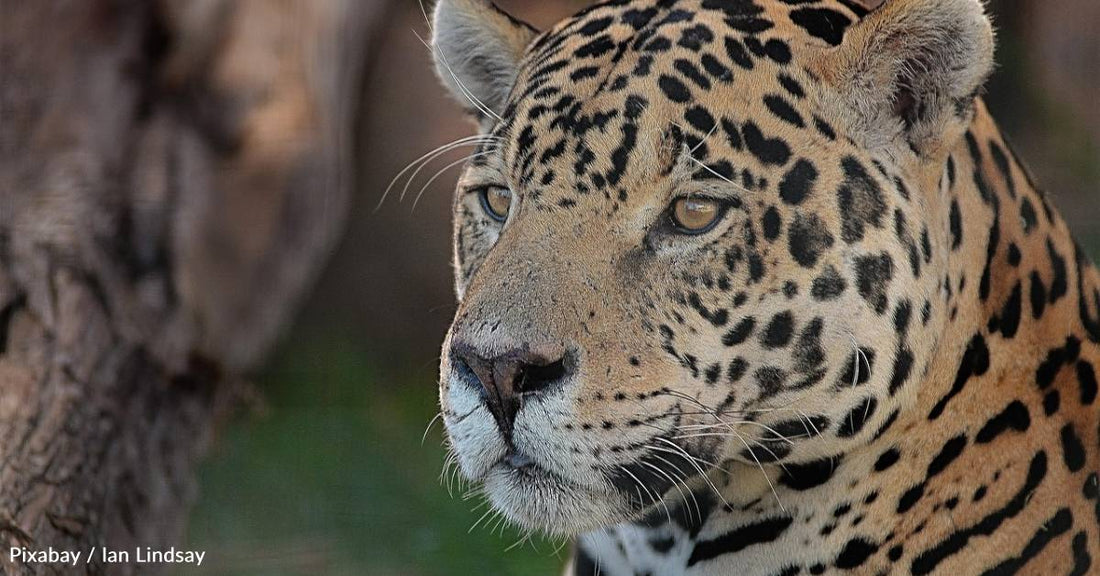
Jaguars, the Americas’ largest cat species, are at risk of extinction in Mexico, but there’s been some good news in the fight to save them.
The National Alliance for Jaguar Conservation (ANCJ) recently shared the findings of the 2024 census for the species in Mexico. It found that there were 5,326 jaguars in the country last year, a 30% increase over 2010, when the population was only 4,100. The largest share of jaguars – 1,699 - was found in the Yucatán peninsula, with the south Pacific area just behind at 1,541.

The report was compiled with 90 days of footage from more than 900 motion-censor cameras set up in 15 states. The included area covered nearly 1,600 square miles.
ANCJ attributed the increases to more protected areas that allow the animals to roam further, a reduction in rancher conflicts, and a public awareness campaign.
Gerardo Ceballos from ANCJ says, “The fact that the country has managed to maintain and increase its population over the last 14 years is extraordinary. For me it’s great news for the country. Mexico and the world need good news.”
Though the increases are encouraging, ANCJ believes up to 30 years of steady growth may be needed to ensure the species avoids extinction in Mexico. Jaguars still face many threats, including habitat fragmentation and destruction, continuing conflict with ranchers, poaching, and the trafficking of jaguar body parts. The species is already believed to have been extirpated from two countries within its historical range: El Salvador and Uruguay. They’re found from the southwestern United States down to Argentina.

ANCJ offers some recommendations to continue the species’ recovery. Those include conserving more jaguar corridors, governments and social media platforms taking action against the sale of jaguar parts, increased financial support from the public and private sectors, and getting landowners on board.
Ceballos says, “We are winning a battle in a war that is being lost. But it is a very important battle. It gives us hope that if we articulate the right policies, we can achieve great results.”