
🚨Urgent: Missile Strikes Shelter in Ukraine! Rush Emergency Aid!
Poachers And Plastic Push Nigeria’s Sea Turtles To The Edge Of Extinction
Matthew Russell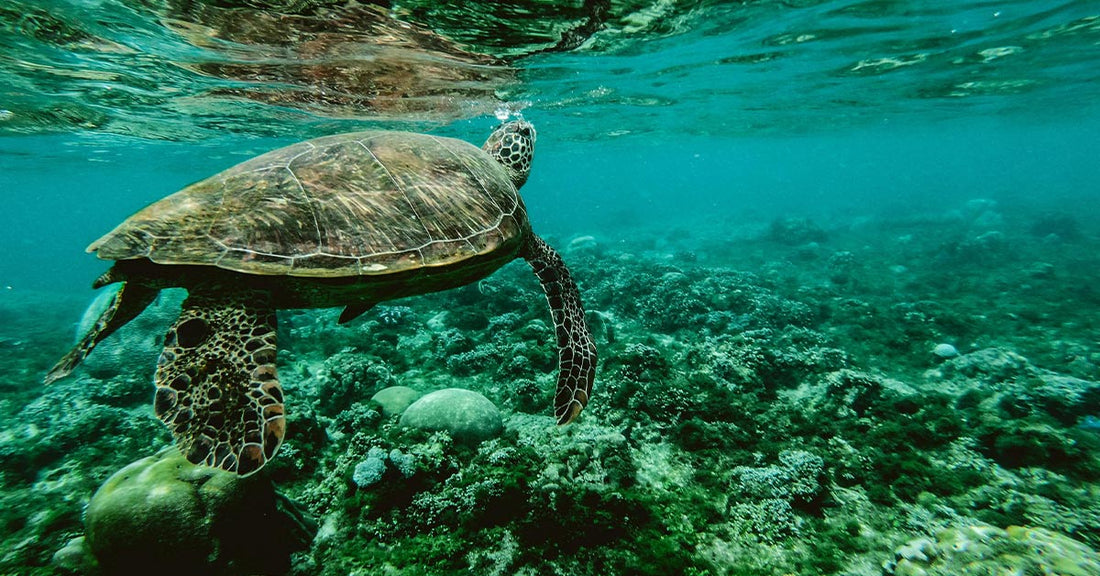
Sea turtles still surface off Lagos and Bayelsa. Fewer each year. Plastic bags drift like jellyfish. Nets ghost the shallows. Poachers wait on sand and sea. Conservation workers say the decline is stark, with at least five threatened species using Nigeria’s waters but few reliable counts to guide protection, Reuters reports.
A Coastline Without Safe Harbors
Nigeria has no designated marine protected areas for turtles. Nesting beaches shrink under coastal construction. Discarded gear snags flippers and necks. According to Reuters, one green turtle, tangled off Folu and nearly sold for 90,000 naira, survived only after rescuers negotiated its release.
Local groups have tried to fill gaps with practical fixes: net-repair kits swapped for rescued turtles or safeguarded nests, an approach field teams in Lagos say keeps fishers whole while saving animals, Naija247news notes.

Nigeria’s sea turtles face threats from both pollution and poaching.
The Poacher’s Pull
Demand is steady, while turtle meat, eggs, and shells move through markets and ritual use. Weak enforcement across West Africa turns beaches and nearshore waters into hunting grounds for turtle adults and nests.
Shell seizures alongside ivory and trade routes linking Ghana, Nigeria, Liberia, Benin, and Cameroon point to organized trafficking, with poaching and trade the region’s major driver of decline even as pollution and bycatch compound it, ISS Africa reports. Without viable alternatives for coastal households facing depleted fish stocks, turtles remain targets.

Plastic debris and discarded fishing nets entangle turtles at sea.
When Communities Change Course
Akassa, in Bayelsa State, shows what reversal looks like. A generation ago, fishers prized turtles as “good meat.” Training and local organizing produced a different ethic: beach patrols, nest safeguarding, and incentives—cash stipends or new gear—for voluntarily surrendered turtles.
Since 2017, volunteers there have rescued and released more than a hundred animals while collecting basic data to guide action, Prime Progress reports. The model is modest, bottom-up, and vulnerable to funding swings, yet it works because it respects livelihoods.

Five threatened turtle species inhabit Nigeria’s waters.
What Works Next
Nigeria could do a lot for its sea turtles by scaling practical incentives nationwide. Marine protected areas can be created where nesting is allowed to persist. Enforcing existing wildlife laws will turn warnings into deterrence. Paired with livelihood programs—ecotourism, community monitoring jobs, and gear transitions—crackdowns with income replacement—and Nigeria could turn the tide for sea turtles, ISS Africa explains.
Individuals help too. NOAA Fisheries advises everyone to help turtles by cutting plastic at the source, keeping beaches dark and clear at night, reporting injured turtles to stranding networks, slow boating speeds in turtle waters and never abandon gear. These simple steps reduce strikes, entanglement, and disorientation.
Nigeria’s turtles need clean water, quiet sand, and time. They also need policy that matches the urgency already visible in the hands of coastal rescuers, from Lagos to Akassa—people who chose protection over “good meat,” and who prove that survival hinges on giving communities a stake in the living sea.
Click below to make a difference.