
🚨Urgent: Missile Strikes Shelter in Ukraine! Rush Emergency Aid!
Officer Saves Chipmunk Stuck in Glue Trap Raising Gentle Awareness
Guest Contributor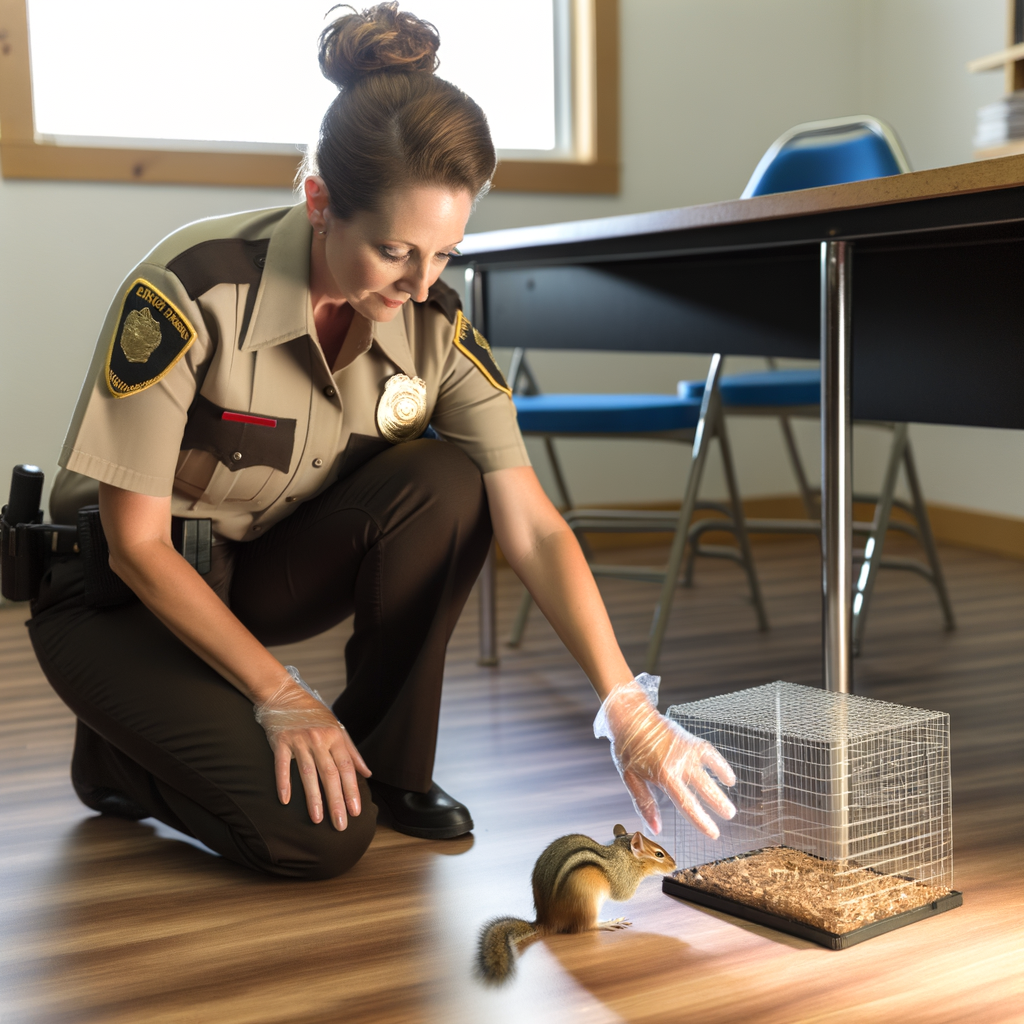
It’s not every day that a chipmunk steals the spotlight, but one recent rescue in Colorado has warmed hearts across the internet. In a moment captured on body camera, an animal-control officer gently freed a chipmunk stuck in a glue trap, a scene that’s both touching and a reminder of the unintended consequences of common pest control methods. The Jefferson County Sheriff’s Office shared the footage online, where it quickly gained attention for both the officer’s compassion and the chipmunk’s triumphant return to the wild.

According to the Sheriff’s Office, Animal-Control Officer Rupe responded to a call from a local business where a chipmunk had become ensnared in a glue trap. These traps, while marketed as a simple way to manage pests, can pose serious risks to non-target animals. In this case, the chipmunk was in danger of dying without intervention. With careful hands, mineral oil, and a lot of patience, Officer Rupe managed to release the tiny creature. After cleaning it off, she released it outdoors, where it promptly dashed up a nearby tree.

“With some mineral oil and plenty of patience, she carefully freed the little critter and released it back into the wild,” the Sheriff’s Office wrote in a Facebook post. “The chipmunk zipped up a nearby tree, hopefully on to a much less sticky chapter.” The story, while heartwarming on its own, also serves as a public reminder about the use of glue traps and their broader implications for local wildlife.
Glue traps are often viewed as an easy fix for rodents and insects. However, they don’t discriminate between pests and other small animals. Pets and wildlife alike can become unintended victims. The Sheriff’s Office highlighted this issue in their social media post, urging the public to consider more humane alternatives when dealing with unwanted animals. “If you are looking to remove unwanted guests, search for more humane options,” they advised.
I found this detail striking: the chipmunk’s immediate sprint up a tree after being freed. It’s a simple image, but one that captures the resilience of wildlife and the impact a single act of kindness can have. The officer’s actions not only saved a life but also offered a powerful visual of hope and recovery. In a time when digital content often veers toward the sensational or divisive, this story stood out for its quiet heroism and gentle message.
The video, which was posted by the Jefferson County Sheriff’s Office, has since drawn a wave of positive reactions. Viewers praised Officer Rupe’s patience and care, and many shared similar concerns about the dangers of glue traps. The rescue also sparked conversations about responsible pest control and the importance of protecting local ecosystems. In a world where even small animals can face big dangers, stories like this encourage a more thoughtful approach to how humans interact with wildlife.
Humane pest control methods are widely available and often more effective in the long term. Live traps, exclusion techniques, and natural deterrents are just a few alternatives that reduce harm to unintended targets. Organizations like the Humane Society and local wildlife agencies frequently offer guidance on how to handle pest issues without endangering other creatures. The chipmunk rescue is a timely example of why such practices matter.
While the story centers on a single animal, its implications are broader. It invites a reassessment of everyday tools and habits that may inadvertently cause harm. For businesses and homeowners alike, the message is clear: convenience should never outweigh compassion. Responsible choices can prevent unnecessary suffering and foster a more balanced relationship with the natural world.
The chipmunk’s escape from a perilous situation, thanks to one officer’s dedication, is a small but meaningful moment. It’s a reminder that empathy and awareness can make a difference, not just for one animal, but for the broader environment we all share. Stories like this don’t just tug at the heart—they also encourage informed decisions that benefit both people and wildlife.
To see the full rescue and learn more about the incident, you can Read more at outdoors.com