
🚨Urgent: Missile Strikes Shelter in Ukraine! Rush Emergency Aid!
Ohio Navy Veteran Sees Cold War Submarine Memorial Dream Come True
Guest Contributor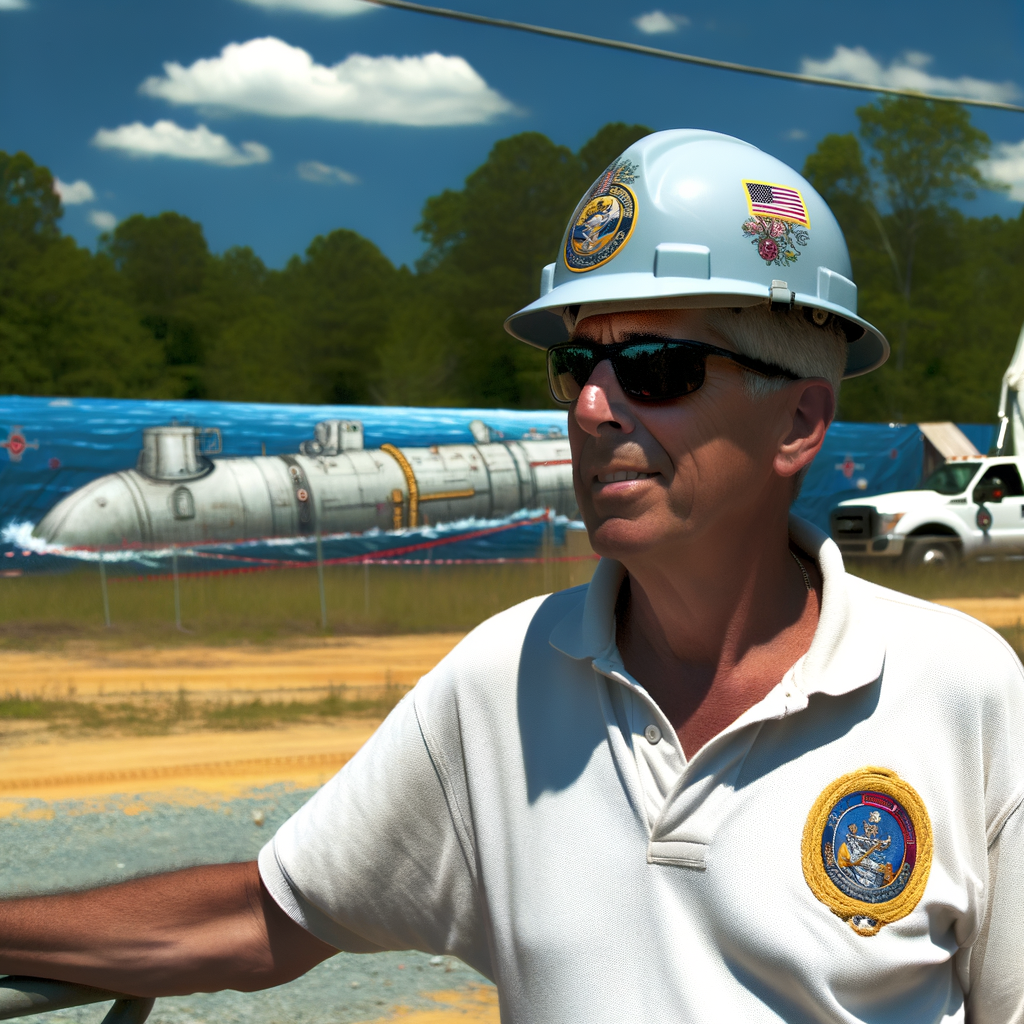
In West Chester, Ohio, the sound of construction next to a local soccer park is more than just noise—it's a long-awaited dream taking shape. For Navy veteran Dick Young, the clanging of hammers and the hum of cranes signal the realization of a vision more than 20 years in the making: a memorial that replicates the USS Cincinnati, a Cold War-era nuclear submarine. This Cold War submarine replica is not only a tribute to those who served but also a call to inspire future generations in skilled trades.

Young, who served aboard a similar submarine during his four years in the Navy, recently got his first look at the structure rising from what was once an empty field. The veteran, who later spent over four decades as a 911 dispatcher and supervisor, stood outside the site with a smile that reflected both pride and nostalgia. According to the report, he described his time in the Navy as transformative, saying, “That gave me the confidence that I could do anything in the world.”
The USS Cincinnati was in active service from 1978 until the early 1990s, playing a crucial role in monitoring Soviet naval activity during the height of Cold War tensions. Young’s role as a radio operator placed him at the center of high-stakes missions, where communication was vital and sleep was scarce. Despite the pressure, he recalls the experience fondly. “I feel guilty when people say thank you for your service, because I had a blast when I was in,” he admitted. “And I learned a trade that took me through the rest of my life.”
Now, the legacy of that service is being preserved in a tangible way. The Submarine Cincinnati Memorial Association, led by fellow veteran Joe Jaap, has been spearheading the $9.5 million project. I found this detail striking: the replica submarine will be over 30 feet in diameter and stretch the length of a football field. It’s a scale that impressed even Jaap, who noted, “I knew I was going to be impressed by the size of it. But now that I see it, I’m even more impressed.”
Beyond honoring veterans, the memorial has a broader mission. Jaap emphasized the urgent need for skilled tradespeople such as welders, electricians, and pipe fitters—trades essential not only to submarine construction but to national defense more broadly. “We can’t build enough submarines that we’ve allocated, because of the lack of welders and electricians and pipe fitters,” he explained. The hope is that the memorial will spark interest among young visitors and encourage them to explore these vital careers.
The educational component of the memorial is central to its design. Once completed, visitors will be able to walk through the interior of the replica and learn about life aboard a Cold War submarine. The immersive experience aims to provide a deeper understanding of the sacrifices and skills involved in submarine service. While funding for the physical structure has been secured, the organization is still raising money for the educational materials that will bring the exhibit to life.
For those who watched the project grow from a grassy field to its current steel-framed form, the progress is deeply meaningful. Last year, there was nothing on the site but open land. Today, the skeleton of the submarine stands as a testament to perseverance and community effort. Veterans like Young and Jaap, along with supporters in the township, have poured years of dedication into making this dream a reality. The goal is to open the memorial to the public next year.
As construction continues, the site has already begun to draw attention from local officials and residents alike. The location, near the Voice of America soccer fields, ensures high visibility and accessibility for families and school groups. By placing the memorial in such a public setting, organizers hope to foster a greater appreciation for military service and the technical expertise it requires.
In an era where skilled trades are increasingly in demand, projects like the USS Cincinnati memorial serve a dual purpose. They honor the past while investing in the future. For Dick Young, seeing the submarine take shape is more than a walk down memory lane—it’s a symbol of what’s possible when a community comes together with purpose and pride. “This is a dream come true,” he said, capturing the emotion of the moment with simple clarity.
To learn more about the memorial or to contribute to the development of its educational features, interested individuals can visit the Submarine Cincinnati Memorial Association’s website. The organizers continue to welcome support from those who believe in preserving history and promoting the trades that keep our nation strong.