
Thousands of Dogs Trapped in Organized Fighting Rings as Federal Enforcement Finally Expands
Matthew Russell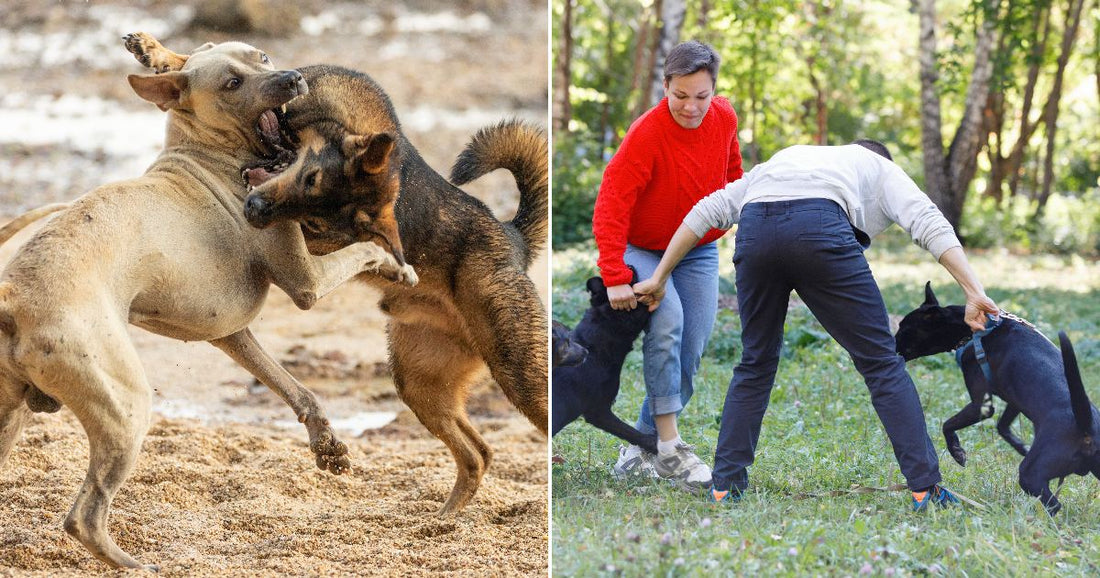
Dogfighting is not a relic of the past. It is happening right now, in communities across the United States, on a scale that most people would find shocking. Law enforcement calls it "rampant." Thousands of dogs are caught up in organized fighting networks at any given time, enduring systematic abuse, neglect, and death — while the criminal enterprises behind them operate largely in the shadows.

The Scope of the Problem
Organized animal fighting is a federal felony. It has been illegal nationwide since 2007, and yet the operations persist. USA Today reported that dogfighting remains deeply embedded across the country, with investigators describing networks that breed, train, sell, and transport animals across state lines. These are not isolated incidents — they are coordinated criminal enterprises.
A 2025 federal case out of Oklahoma illustrated just how large these operations can grow. A man was charged with running a dogfighting and trafficking venture involving hundreds of animals. According to the Department of Justice, the operation included the breeding and sale of fighting dogs to buyers across multiple states. By August 2025, a former NFL player connected to the same venture had been convicted on related charges — a case that drew national attention to how deeply these networks can reach.

A Shift in Federal Enforcement
For years, federal enforcement was fragmented and reactive. That began to change in early 2026. In February, the USDA, DOJ, DHS, and HHS jointly announced a coordinated effort targeting chronic animal welfare violators — a meaningful step toward treating organized animal cruelty as the multi-agency problem it actually is.
Then, in September 2026, the USDA took direct action. The agency announced expanded investigative capacity specifically focused on companion animal welfare, marking what it called a new era in how the federal government approaches these crimes. The expansion gives investigators more tools and authority to pursue cases proactively, rather than waiting for tips or local referrals.

Why Proactive Investigation Matters
Animal fighting networks are built to avoid detection. Dogs are moved frequently. Operations are hidden on rural properties. Participants are often part of tight-knit communities with strong incentives to stay silent. Reactive enforcement — waiting for complaints to come in — consistently misses the full scope of these operations.
The ASPCA has emphasized that breaking up dogfighting networks requires sustained investigative work, not just rescue operations after the fact. Animals seized from fighting operations frequently show signs of severe, prolonged trauma. Getting there earlier — and following the network rather than just the single raid — is what disrupts the cycle.

The Window Is Open. The Question Is Whether It Stays Open.
The infrastructure for meaningful federal enforcement now exists. Investigative capacity has been expanded. Interagency coordination is underway. What determines whether this momentum holds is sustained commitment and permanent funding — not one-time action.
Millions of animals are counting on the people in power to follow through.
Click below to make a difference.