
🚨Urgent: Missile Strikes Shelter in Ukraine! Rush Emergency Aid!
Outdoor Roaming Puts Cats And Wildlife In Needless Danger
Matthew Russell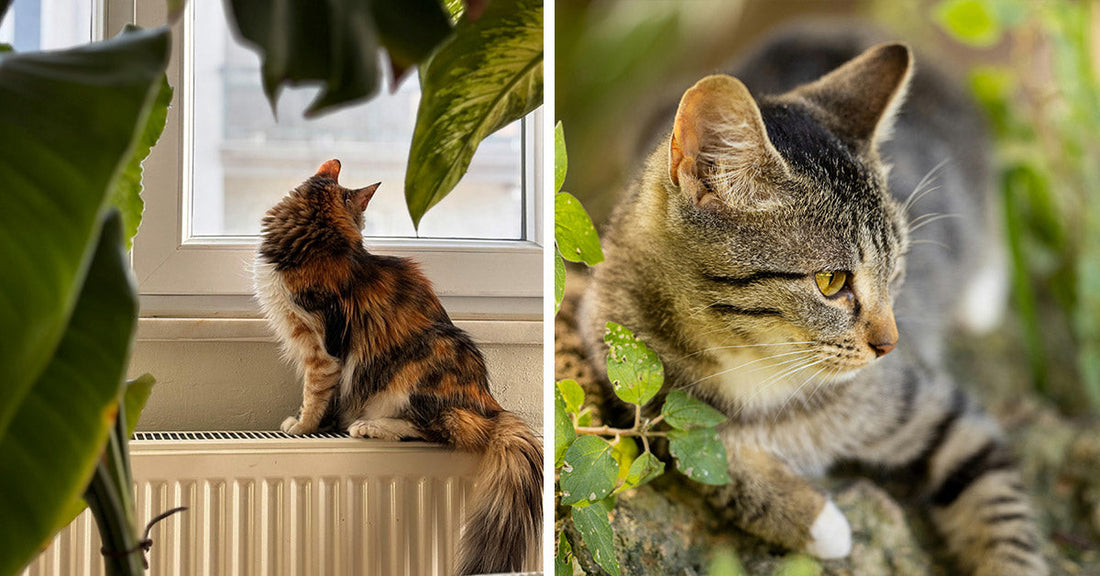
For many cat guardians, opening the door can feel like an act of kindness. A cat wants fresh air, sunshine, and stimulation. But unsupervised outdoor access can place that same cat in danger within minutes.
The risks are not rare or abstract. The Humane Society of Macomb warns that outdoor cats can be hit by cars, injured in territorial fights, exposed to parasites and viral infections, poisoned, stolen, lost, harmed by severe weather, or attacked by wild animals. Some of these hazards can cause sudden death. Others can leave a cat with painful injuries or lifelong health problems.
PETA also points to the cruelty and danger cats can face outdoors, including disease, traffic, poison, and intentional harm. The lesson is simple. A cat may feel confident outside, but confidence does not protect them from cars, predators, toxins, or disease.

Free Roaming Cats Can Harm Native Wildlife
Outdoor access also affects the animals who share our neighborhoods. Cats are skilled hunters, and they do not stop hunting because they are fed at home.
A University of Maryland study summarized by Phys.org found that domestic cats in Washington, D.C., overlapped with wildlife, including animals linked to rabies risk. The study also found that outdoor cats shared space with small native species such as squirrels, chipmunks, rabbits, groundhogs, and mice.
The Wildlife Center of Virginia describes free-roaming cats as a serious threat to birds, mammals, reptiles, and amphibians. Its wildlife care research found that animals admitted after cat attacks often had very low survival rates, even with treatment. Cat bites and scratches can cause severe infections, and many injured wild animals are never found at all.

Indoor Life Can Still Be Rich and Active
Keeping cats indoors does not mean keeping them bored. It means building a safer world inside the home.
American Humane recommends enrichment such as companion animals when appropriate, interactive toys, scratching posts, climbing spaces, perches, hiding places, and safe window views. These tools let cats play, climb, scratch, watch, explore, and rest without the same level of danger.
The research article in Animals shows that cat guardians make indoor-outdoor decisions through a mix of beliefs, circumstances, and concerns about welfare. That matters because many people who let cats roam are trying to do the right thing. The answer is not guilt. The answer is better information and better indoor environments.

Safer Outdoor Options Are Possible
Cats who enjoy the outdoors can still experience it safely. A screened porch, catio, enclosed yard, or leash-and-harness walk can provide fresh air and stimulation while reducing the danger to cats and wildlife.
This is a practical choice rooted in compassion. Cats deserve protection. Wildlife deserves protection. Communities deserve solutions that reduce suffering instead of accepting it as inevitable.
Keep cats indoors, enrich their lives, and choose safe outdoor access when possible. A closed door can prevent pain, fear, injury, and death.
Click below to make a difference.