
🚨Urgent: Missile Strikes Shelter in Ukraine! Rush Emergency Aid!
Generals Face Random Polygraphs As Pentagon Secrecy Rules Tighten
Matthew Russell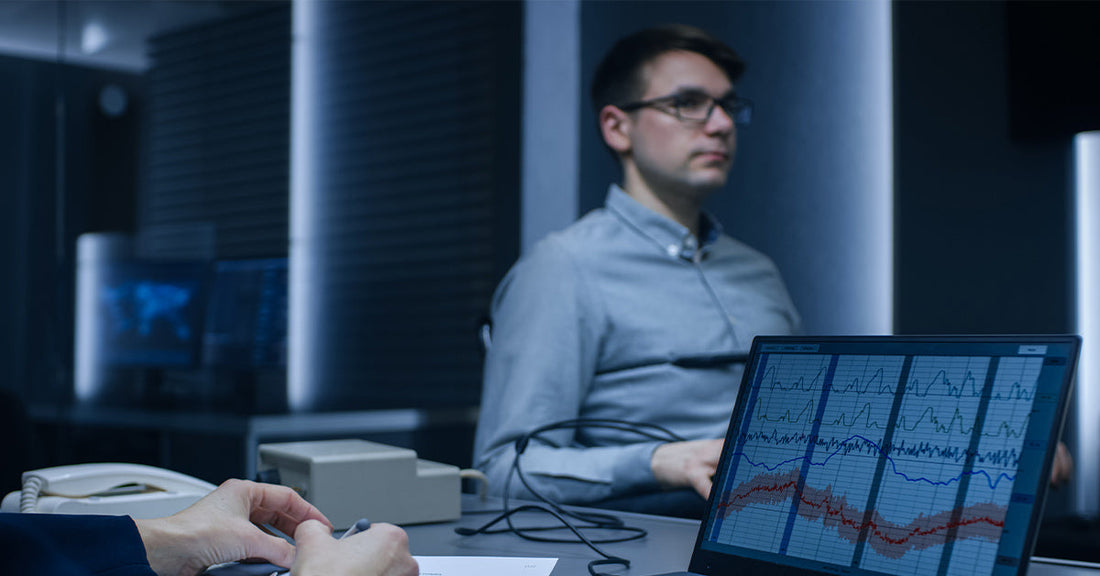
The Pentagon is weighing a sweeping plan to require thousands of headquarters personnel to sign nondisclosure agreements and face random lie-detector tests. Draft memos from Deputy Defense Secretary Steve Feinberg describe NDAs barring the release of “non-public information” and a polygraph program with no clear upper limit on who could be tested, from four-star generals to administrative staff, according to the The Independent.
A Pentagon spokesperson has disputed the accounts, calling them inaccurate, but the memos’ language stresses that protecting sensitive information is “paramount” for warfighter safety and senior decision-making, The Debrief reports.

The Pentagon plans mandatory NDAs for thousands of headquarters personnel.
Who Would Be Covered
The prospective policy targets more than 5,000 people in the Office of the Secretary of Defense and the Joint Staff, including service members, civilian employees, and contractors. That scope, captured in the draft documents, reflects an effort by Defense Secretary Pete Hegseth to clamp down on internal leaks following a series of embarrassing disclosures, The Daily Beast reports.

Random polygraph tests would apply from generals to administrative staff.
What It Means for Troops and Civilians
For uniformed and civilian personnel, NDAs would formalize strict limits on sharing non-public information, even outside classified channels. Random polygraphs could become a recurring condition of access and employment. Supporters frame the changes as overdue discipline in an age of instant messaging and viral leaks—an argument reflected in the memos’ emphasis on safeguarding operations, the The Debrief reports. But critics, including national-security lawyers, warn that the approach duplicates existing rules and invites intimidation without improving security, according to The Independent.
Polygraphs: Deterrent or Blunt Instrument
Polygraph results are not admissible in most criminal courts and are widely debated as a reliability tool. Applying them across Pentagon headquarters would be a sharp departure from past practice, where such testing has been limited to particular mission sets and sensitive programs. Reporting indicates an earlier attempt to deploy lie-detector checks was paused after complaints, before resurfacing in the current proposals, The Independent reports.

Critics argue existing laws already punish unauthorized disclosures.
Transparency at the Same Time
The move comes alongside tighter media rules. Pentagon reporters have been told to seek pre-approval before publishing even unclassified information to keep their credentials, with additional escort requirements inside the building, Poynter reports. For service members and families, fewer briefings and restricted access can mean less clarity about missions, timelines, and policy shifts that affect daily life and career decisions.
The Strategic Risk
Hegseth’s campaign against leakers has unfolded as he convened hundreds of generals and admirals at Quantico, a spectacle that drew criticism over both the message and the risk of concentrating the chain of command, The Daily Beast reports. The question now is whether broad NDAs and random polygraphs will reduce harmful leaks—or chill essential internal candor and external oversight at a time when clear, credible information is part of national defense.
Click below to make a difference.