
🚨Urgent: Missile Strikes Shelter in Ukraine! Rush Emergency Aid!
Trap Neuter Return Brings Balance To Communities, But Efforts Need Support
Matthew Russell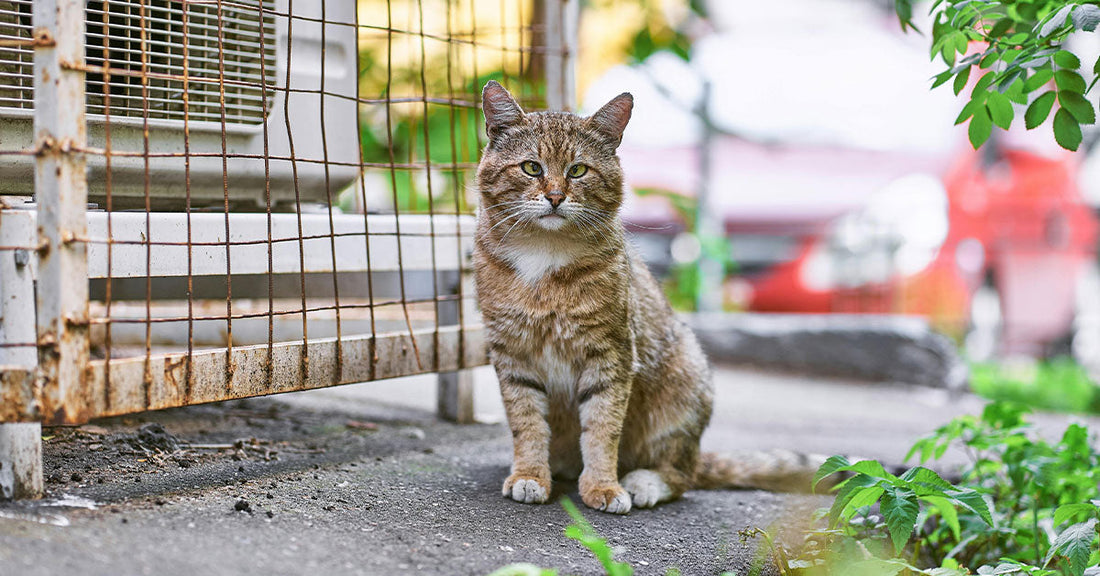
Words matter when we talk about outdoor cats. Many are not pets on the loose but “community cats”—unowned, free-roaming cats who live alongside people, often with help from neighborhood caregivers. That framing shifts the goal from removal to responsible care and population control through trap-neuter-return and vaccination programs.

Community cats are unowned but not unwanted.
What Humane Management Looks Like
In a typical TNR/TNVR effort, cats are humanely trapped, spayed or neutered, vaccinated, ear-tipped for identification, and returned to their outdoor home. The ear-tip prevents needless re-trapping and stress, the ASPCA reports. Programs that include regular feeding and monitoring—sometimes called TNRM—pair surgery with ongoing care by local caretakers.
Does It Work?
Evidence points to yes when the work is targeted and intensive. An editorial in the Canadian Veterinary Journal describes a high-impact initiative that cut shelter impoundments by two-thirds in a hard-hit urban area when efforts focused on a defined zone and paired TNR with adoptions.
The ASPCA notes that stabilizing a colony requires sterilizing at least three-quarters of intact cats quickly, then maintaining that pace as newcomers arrive. The Humane Society of the United States adds that high-intensity campaigns approaching 80% coverage are the threshold for noticeable, durable decline.

Trap-Neuter-Return stops breeding and saves lives.
Health, Welfare, and Public Health
Community cats can live healthy lives outdoors, and studies show disease rates comparable to indoor cats, according to Alley Cat Allies. After sterilization, nuisance behaviors—fighting, spraying, roaming—drop, and cats often gain weight and fare better medically, the ASPCA reports. Routine vaccination in TNVR protects cats and people.
Wildlife and Neighborhood Concerns
Communities face concerns with birds and small wildlife when unmanaged growth in outdoor cat populations puts pressure on shelters and ecosystems. TNR addresses the root cause—reproduction—while also reducing behaviors that spark complaints, the ASPCA reports. For yards and feeders, the Humane Society of the United States recommends humane deterrents and neighbor-to-neighbor problem-solving to keep peace without harming cats or wildlife.

Managed colonies live healthier, longer lives.
Community Roles and Real-World Care
Caretakers—often the people who already notice the cats—anchor success. They provide food and water, track new arrivals for prompt surgery, watch for illness, and set up winter shelters. When return isn’t safe, some cats thrive as “working cats” in barns or warehouses, Best Friends Animal Society reports.
Why Language—and Policy—Matter
Calling these animals “community cats” invites shared responsibility. Public opinion research and municipal experience show that collaborative, multi-tool approaches succeed where catch-and-kill fails. Education on kittens found outdoors, quick access to low-cost spay/neuter, and support for caretakers move communities from conflict to results, according to the Humane Society of the United States.

Humane care prevents suffering and conflict.
How You Can Help—Today
If you see cats outside, first determine whether they are healthy and already part of a managed group. Then connect with local TNR resources, borrow traps, schedule surgeries, and loop in neighbors.
Practical steps—and a calm, humane plan—save lives and shrink populations through steady, measurable progress.
Click below to make a difference.