
Puppy Mill Breeders Keep Operating Through Dangerous Licensing Loopholes
Matthew Russell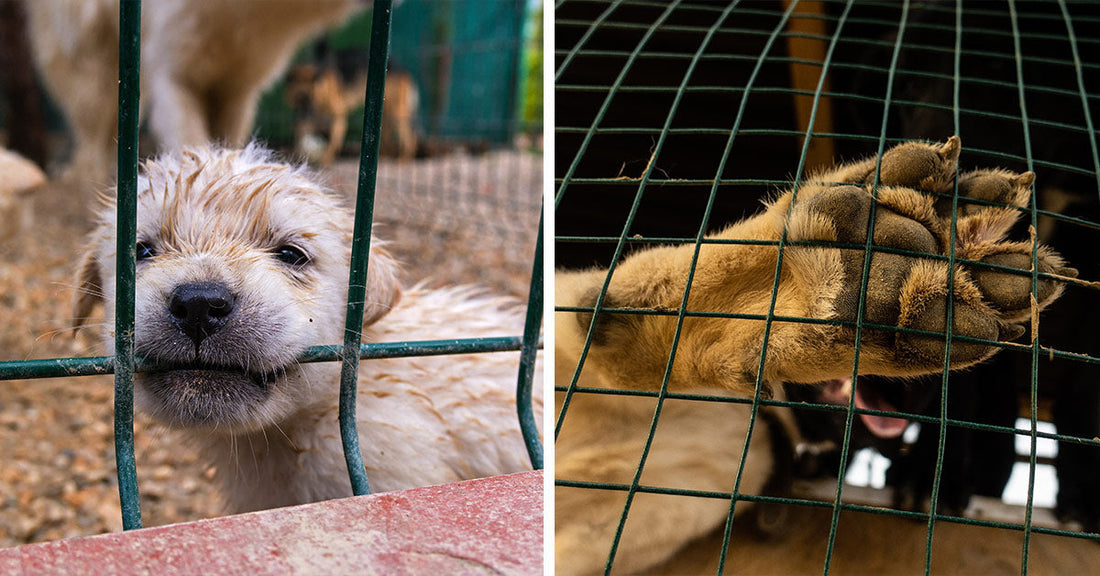
Dogs trapped in puppy mills can suffer through more than neglect. They can suffer through paperwork.
A breeder with a history of violations may lose a license, cancel one, or face pressure from regulators. But if the same operation can reappear under a new name, a family member, an associate, or another linked business, dogs remain at risk.
That is why the USDA must close the loopholes that allow problem breeders to keep selling puppies.

Puppy mill licensing loopholes can allow problem breeders to keep operating under new names.
How Puppy Mill Loopholes Keep Dogs In Danger
The U.S. Department of Agriculture licenses commercial animal dealers through APHIS, the agency responsible for Animal Welfare Act oversight. USDA materials state that animal dealers must be licensed and that inspectors assess facilities, records, and animals for compliance through inspection reports, as explained by APHIS and its Animal Care Public Search Tool.
That system should stop chronic violators from doing business. Too often, advocates say, it does not.
The ASPCA reported that licensed dog dealers had more than 800 documented Animal Welfare Act violations in fiscal year 2022. Yet the group found no dog dealer licenses were suspended, no animals were confiscated from dog dealers, and no complaints were filed seeking revocation against dog dealers that year.
When enforcement does not follow violations, paperwork becomes a shield.

Dogs should not remain trapped because a breeder changes paperwork.
New Names Can Hide Old Problems
A lawsuit filed by the ASPCA against the USDA shows how serious the problem can become. The complaint accused the agency of continuing to license Iowa dog dealer Steve Kruse despite a long history of animal welfare concerns. The ASPCA said USDA inspection reports documented dogs with untreated wounds, infections, dental problems, painful matting, and cramped cages.
Reporting from News From The States described claims that separate licenses were issued to Kruse associates even though the kennels were allegedly tied to Kruse’s dogs and properties. The lawsuit argues that such arrangements can conceal a puppy’s origin and move dogs through a cleaner-looking sales pipeline.
This is the core danger: the public may see a different name, while the dogs remain connected to the same system.

USDA licensing must account for prior violations and linked businesses.
Federal Enforcement Must Close The Shell Game
Humane World for Animals has also warned about this pattern. Its 2026 Horrible Hundred report lists 100 problem puppy mills and puppy sellers and states that more than half of the breeders in the report were USDA licensed. A related Humane World Action Fund post urged USDA to crack down on the “shell game” of license renewals, where a troubled licensee cancels and a close associate or family member obtains a new license on the same property with the same dogs.
The USDA has announced new action against chronic dog welfare violators. In February 2026, USDA said it had cancelled, denied, suspended, and revoked licenses for several breeders and opened a request for public input on dog care standards.
That is a start. It must become policy.

A revoked license should not become a temporary obstacle for a bad breeder.
The USDA Must Protect Dogs Before Paperwork
Secretary Brooke Rollins has the power to direct APHIS to require full disclosure of ownership, control, property connections, animal transfers, family ties, and business relationships before issuing or renewing breeder licenses. The agency should deny licenses tied to serious violators and make enforcement histories easier for the public to review.
A breeder’s record should not disappear when the name changes.
Dogs need enforcement that follows the people and businesses responsible for their care. They need rules that stop chronic violators before more puppies enter the sales pipeline.
Sign the petition and tell the USDA to close puppy mill licensing loopholes now.