
Pet Store Rabbit Sales Push Vulnerable Animals Toward Neglect
Matthew Russell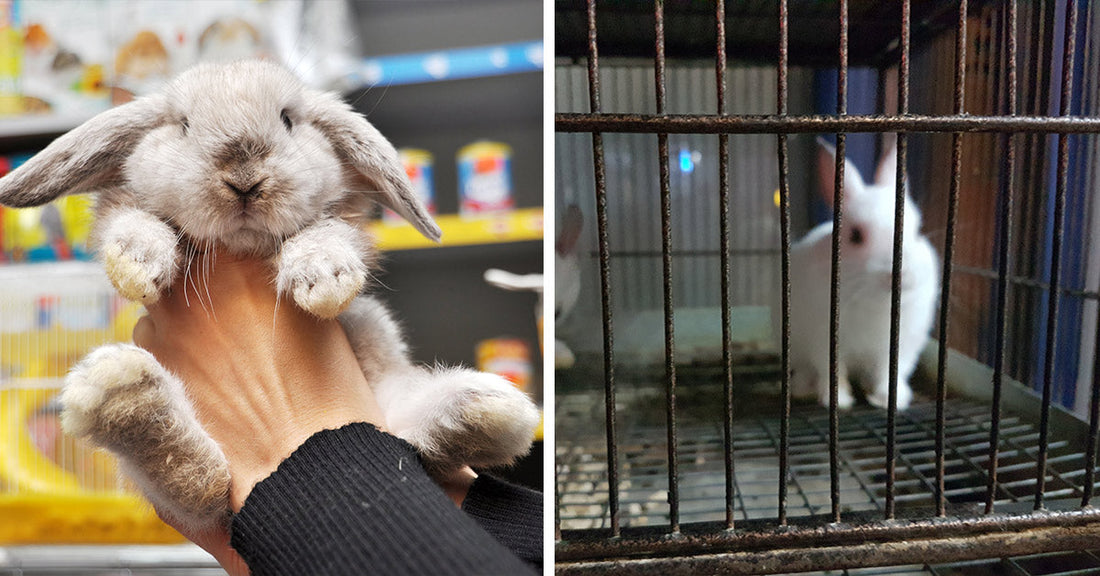
Rabbits are easy to sell. They are small, quiet, and often displayed as gentle starter pets. That image helps pet shops move animals quickly. It does not help rabbits.
A rabbit is a long-term companion animal with daily needs. PETA notes that rabbits need hay, enrichment, exercise, social contact, grooming, and proper indoor care. They can also require specialized veterinary treatment that many new buyers do not expect.
This is where pet shop sales become dangerous. A family sees a baby rabbit. A child asks for one. A store makes the sale. The hard part starts later.

Rabbits require daily care, social interaction, and long-term commitment.
The Care Burden Falls After The Sale
Rabbits chew, dig, shed, need space, and require consistent care. They are not cage decorations. They are not low-cost substitutes for a cat or dog.
cuzrabbits explains that shelters and foster homes often give adopters more support because many rabbits are already spayed or neutered, socialized, and better understood by caregivers. Pet stores, by contrast, may sell rabbits from breeders and may not give buyers enough clarity about sex, medical status, diet, or care needs.
That gap matters. It can decide whether a rabbit lands in a prepared home or becomes another animal no one knows how to care for.

Pet shop rabbit sales can encourage impulse purchases.
Rabbit Advocates Have Warned About Store Conditions
Concerns about pet shop rabbit sales are not theoretical. In a BunSpace community discussion, a rabbit owner described baby rabbits kept in aquarium-style cages with limited space and possible heat stress. The same post raised the familiar fear that buyers may take home cute young rabbits, then give them up once hormones, behavior, and care needs become harder to manage.
Those stories reflect a larger pattern. Rabbits are often misunderstood until after money changes hands.

Many families underestimate the cost of rabbit care.
Retailers Have A Better Option
Pet shops do not need to sell rabbits to serve animal-loving customers. They can partner with local shelters and rescues.
That model already has policy support. MSPCA-Angell supports legislation that would prevent pet shops from selling rabbits, dogs, cats, and in some bills guinea pigs, unless they work with shelters or rescue groups. The goal is not to stop families from finding companion animals. It is to stop stores from relying on commercial breeding pipelines while homeless animals wait for homes.
USA TODAY reported that Petco moved back to an adoption-only policy for rabbits after backlash over rabbit sales. That shift shows change is possible when retailers listen to animal welfare advocates.

Rabbits need access to veterinarians who understand their medical needs.
Rabbits Deserve Adoption Not Retail Turnover
Every rabbit sold in a shop creates demand for another rabbit to replace them. Every impulse sale increases the chance that an unprepared buyer will later surrender or abandon an animal.
Pet shops should end rabbit sales and use their reach for something better: adoption events, rescue partnerships, care education, and supply support for people who are ready.
Rabbits are not products. They are living animals who need time, space, patience, and compassion. Retailers and lawmakers should act before more rabbits pay the price.
Click below to make a difference.