
🚨Urgent: Missile Strikes Shelter in Ukraine! Rush Emergency Aid!
85 Nations Unite To Shield Sharks And Rays From Global Trade
Matthew Russell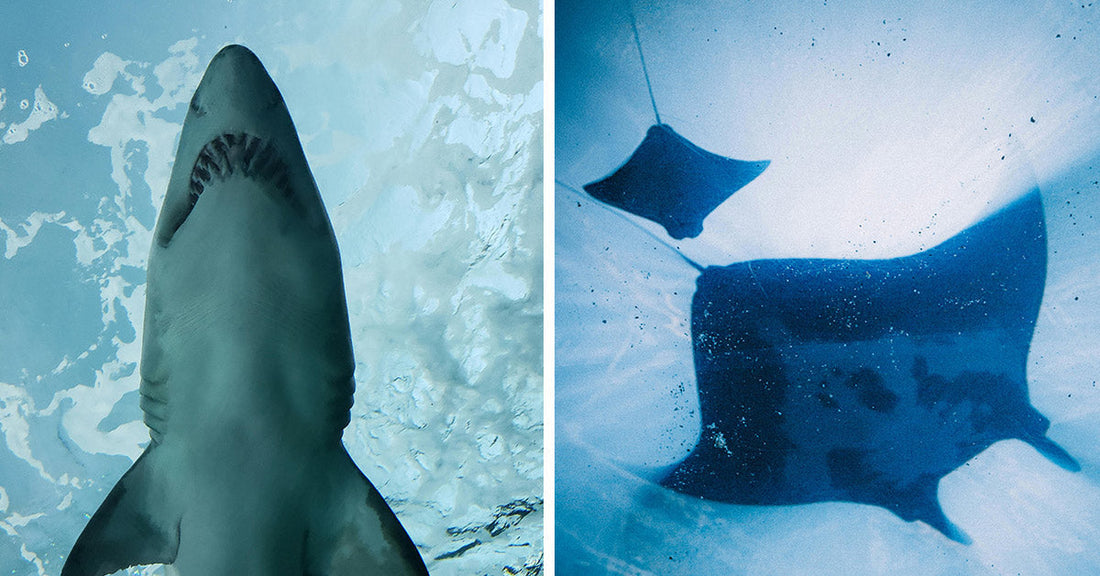
More than 85 countries have agreed to stronger international protections for sharks and rays, marking one of the largest coordinated efforts to curb wildlife trade in the ocean.
The decision came through the Convention on International Trade in Endangered Species of Wild Fauna and Flora (CITES), a global treaty that regulates trade in wildlife to prevent extinction. Governments voted to tighten restrictions on more than 70 species threatened by overfishing and international markets for meat, fins, liver oil, and other products, Mongabay reports.
For several species, the protections are sweeping. Whale sharks, manta rays, devil rays, and the oceanic whitetip shark are now listed under the treaty’s highest protection level, effectively banning all international commercial trade in these animals and their parts, according to the International Fund for Animal Welfare.

More than 85 countries have agreed to stronger protections for sharks and rays.
Why Sharks and Rays Needed Urgent Protection
Scientists have warned for years that shark and ray populations are collapsing under pressure from global demand. These animals are hunted for fins used in soup, meat sold in international seafood markets, and liver oil used in cosmetics and supplements.
More than one-third of shark and ray species now face extinction risk, with some open-ocean shark populations dropping sharply over the last half-century, Shark Guardian reports.
The scale of the trade has made regulation difficult. While the fin trade often draws attention, the global market for shark and ray meat actually exceeds the fin trade in total volume and value, conservation experts told the Save Our Seas Foundation.

Dozens of shark and ray species now face tighter international trade limits.
What the New Trade Rules Do
Under the new CITES measures, many shark and ray species can no longer be traded internationally unless exporting countries prove the harvest is sustainable and does not threaten wild populations.
Some species face stricter limits. Whale sharks, manta rays, and oceanic whitetip sharks are now placed under Appendix I, the highest protection tier that bans international commercial trade entirely. Others—such as gulper sharks and certain houndsharks—may still enter global markets, but only with permits and scientific confirmation that fishing levels are sustainable.
The rules also target species prized in luxury fin markets, including wedgefish and giant guitarfish, which now face export suspensions designed to slow their rapid population decline, conservation groups report.

Several iconic ocean species now have the highest level of trade protection.
A Turning Point for Ocean Wildlife
The agreement represents one of the largest expansions of shark and ray protections in the history of the treaty. Delegates from across Africa, Asia, the Pacific, and the Americas backed the proposals during the international summit, reflecting growing recognition that these predators are vital to healthy oceans.
Sharks and rays sit at the top of marine food webs. Their loss can trigger cascading changes throughout ecosystems.
By restricting global trade, conservationists hope the new rules will remove a major driver of overfishing and give some of the ocean’s most threatened species a chance to recover.