
🚨Urgent: Missile Strikes Shelter in Ukraine! Rush Emergency Aid!
Underfunded Spay and Neuter Programs Leave Shelters Overwhelmed Across the United States
Matthew Russell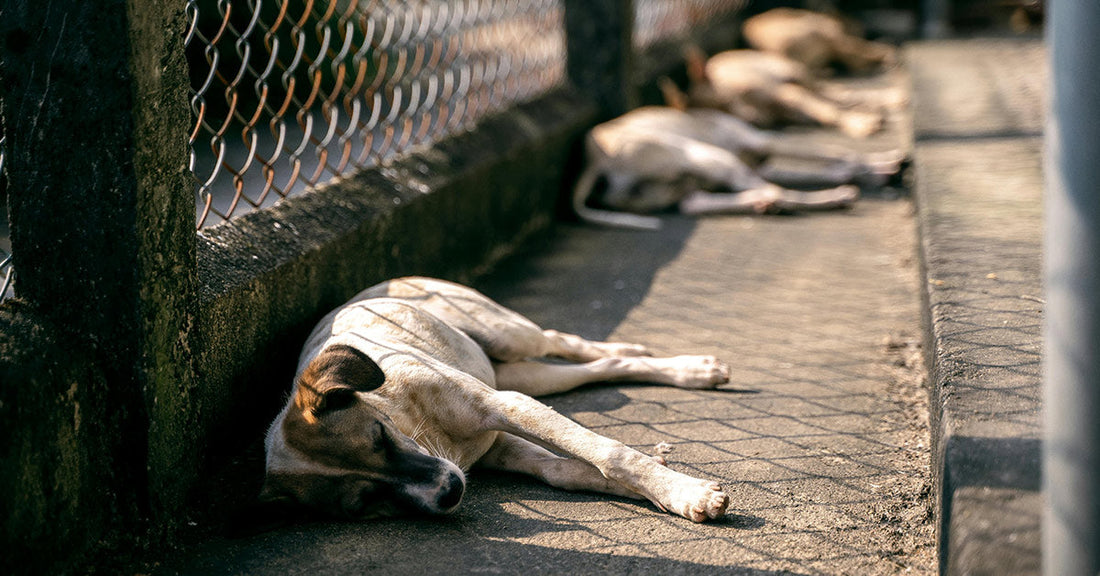
Every year, millions of cats and dogs enter U.S. shelters, and far too many never make it out alive. Preventing that tragedy begins not with adoption alone but with responsibility — spaying and neutering our pets. These simple procedures, often completed in under an hour, save lives, reduce suffering, and improve the health and behavior of animals in our homes and communities.

Millions of cats and dogs enter shelters each year in the U.S.
Breaking the Cycle of Overpopulation
Across the country, overcrowded shelters struggle to keep up. Around 6.5 million companion animals enter shelters each year, and about 1.5 million are euthanized due to lack of space and homes, according to SPCA Nevada. The math is sobering: a single unspayed dog and her offspring can produce tens of thousands of puppies in just six years. Cats reproduce even faster — they can become pregnant every two months.
By spaying or neutering one animal, pet owners help prevent exponential growth in unwanted litters. That means fewer animals competing for limited shelter space, fewer euthanasias, and more resources to care for pets already waiting for families.

Spay and neuter programs directly reduce animal overpopulation.
Healthier Pets, Happier Homes
The benefits extend far beyond population control. Spayed and neutered pets live longer, healthier lives. Female animals face no risk of uterine infection or ovarian cancer and have a dramatically reduced chance of developing mammary tumors — by as much as 90% in cats and 50% in dogs, reports SPCA Nevada. Male pets are protected from testicular cancer and prostate disease, and both sexes avoid complications from unplanned pregnancies.
Even behavior improves. Without the hormonal drive to breed, pets are less likely to roam, spray, or fight. According to Ross University School of Veterinary Medicine, neutered males are less prone to aggression and wandering into danger, while spayed females avoid the agitation and distress that accompany heat cycles. These changes help pets stay closer to home — and out of harm’s way.

Every spayed or neutered pet prevents countless unwanted litters.
Protecting Communities and Wildlife
The ripple effect of spay and neuter reaches far beyond individual households. Uncontrolled breeding leads to roaming packs and feral colonies, which can spread disease and prey on native wildlife. The American Veterinary Medical Association notes that sterilization also helps reduce the risk of zoonotic diseases like rabies.
Programs such as trap-neuter-vaccinate-return (TNVR), according to Best Friends Animal Society, allow community cats to live out their lives without contributing to overpopulation, protecting both ecosystems and shelter resources.

Accessible programs keep pets in homes and off the streets.
A Humane and Cost-Effective Choice
Financially, prevention pays off. The one-time cost of surgery is far less than caring for unplanned litters or treating reproductive diseases later in life. SPCA Nevada points out that the medical costs of untreated infections, cancers, or injuries from roaming far outweigh the price of the procedure. Moreover, widespread sterilization reduces taxpayer spending on shelter operations and euthanasia programs.
Creating a Compassionate Future
Organizations across the nation view spay and neuter programs as the cornerstone of the no-kill movement. By reducing the number of animals entering shelters, communities can focus on rehabilitation, adoption, and long-term care rather than constant crisis management.
Choosing to spay or neuter is one of the simplest and most profound acts of compassion a pet owner can make. It protects the animal you love, spares countless others from suffering, and brings us closer to a future where every pet has a home.
Click below to make a difference and support spay and neuter programs across the U.S.