
🚨Urgent: Missile Strikes Shelter in Ukraine! Rush Emergency Aid!
Swimming Lessons Could Save Autistic Children Drawn to Water
Matthew Russell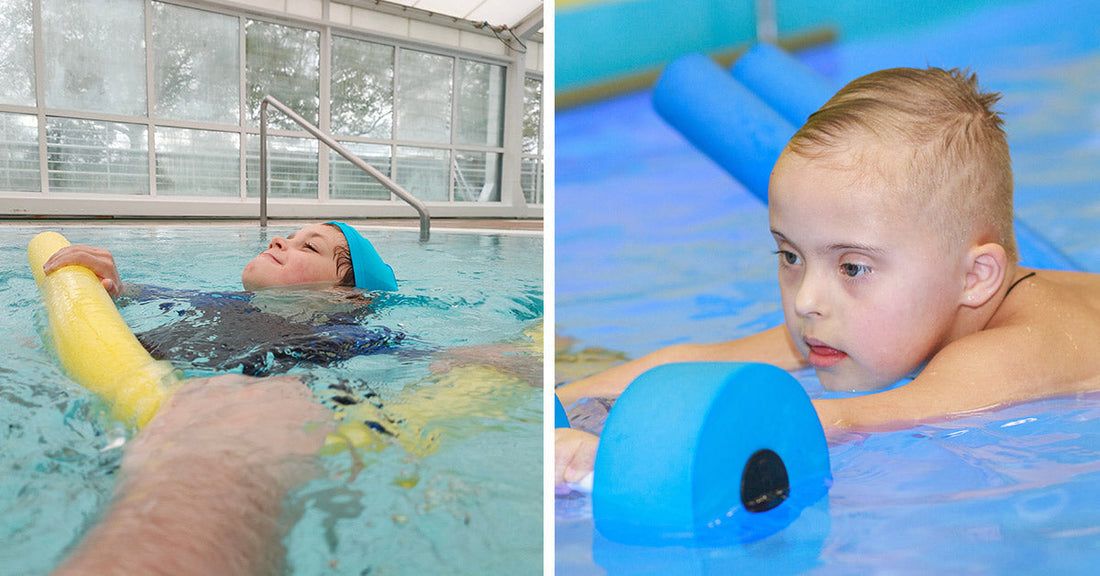
For many autistic children, swimming lessons are not simply another summer activity. They may provide the skills needed to survive an unexpected fall into a pool, pond or lake.
The danger can arise when a child wanders from home, school or a public gathering. Water may attract children who seek its movement, sound or sensory qualities. Others may not recognize its hazards until they are already in distress.

Swimming can provide autistic children with both joy and protection.
Autistic Children Face a Greater Drowning Risk
The risks became painfully clear in Menands, New York, after 7-year-old Harbe Nagi wandered from his family and was later found in a swimming pool. The nonverbal autistic child’s death has renewed calls for better access to lessons, tracking programs and community safeguards, according to the Times Union.
Nearly half of autistic children may wander from safe settings, according to SPARK for Autism. A child may leave to escape noise or stress, pursue an interest or seek a familiar place. When water is nearby, the search can become a race against time.
Drowning is already the leading cause of death among American children ages 1 through 4. It also ranks among the leading causes for older children, the Associated Press reports. The danger is often silent. A struggling child may be unable to call out or wave for help.

Water safety lessons can become lifesaving tools.
Adaptive Swim Lessons Build Survival Skills
Traditional group classes do not work for every child. Bright lights, whistles, echoes and rapid instructions can make a busy pool overwhelming.
Adaptive programs may use individual instruction, picture cards, repeated routines and quieter surroundings. At one Florida swim school, instructors worked with autistic children one-on-one and allowed each student to progress at a comfortable pace, the Associated Press reports.
The first goal may not be a perfect stroke. Children can practice returning to the surface, floating on their backs, controlling their breathing and moving toward a pool wall or exit. These basic actions can create precious time for an adult to respond.

Floating is an essential survival skill.
Swimming Is Only One Layer of Protection
Lessons cannot make any child drown-proof. The Centers for Disease Control and Prevention advises constant supervision near water even after a child learns to swim. Four-sided pool fencing, locked gates and properly fitted life jackets provide added protection.
Families can also teach water rules through visual schedules and social stories. The National Autism Association recommends showing children where swimming is permitted, reinforcing that they must never enter water alone and teaching them to identify trusted adults.
Caregivers should also alert neighbors, schools and first responders when a child has a history of wandering. Recent photographs and an emergency plan can speed a search.
Swimming instruction cannot remove every risk. It can give an autistic child a practical response during the few seconds when that knowledge matters most.