
🚨Urgent: Missile Strikes Shelter in Ukraine! Rush Emergency Aid!
Frontline Rescuers Are Saving Ukraine’s Forgotten Pets Under Fire
Matthew Russell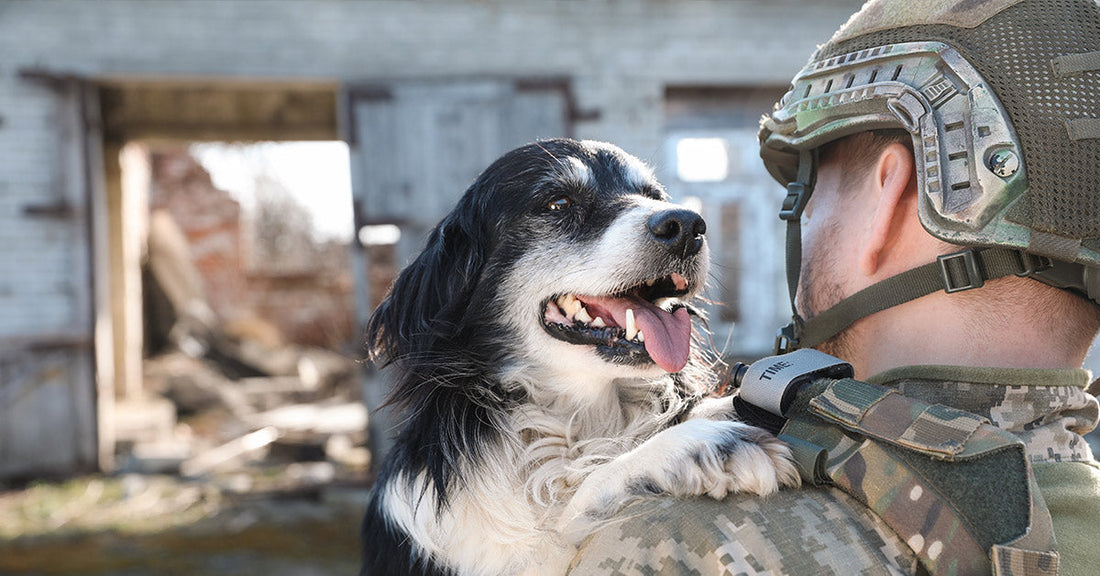
Families fleeing bombardment in Ukraine face an impossible choice: save themselves or risk everything to rescue the animals they love. Many succeed. Many cannot.
Ukraine’s war has left countless dogs and cats abandoned in shattered towns, stranded at train stations, or trapped in apartments their people never returned to. Volunteers and local officials race in under shelling to pull them out, often with only minutes to spare. According to The Conversation, when Russia pushed into the Kharkiv region, evacuations of pets became a parallel mission to moving civilians.
Some animals, rescued by soldiers from empty homes, now live in trenches and dugouts. Cats keep rodents out of food stores; trained dogs help teams detect mines; one small bomb-sniffing terrier became a national symbol of grit, The Conversation reports. These stories share one thread: in Ukraine, animal welfare and human resilience are inseparable.

Many animals are abandoned in haste and fear.
Government Gateways and the Life-or-Death Logistics
In the first months of invasion, European Union rules eased to let pets cross borders without the usual veterinary paperwork, a lifeline that kept families together on the run. Ukrainian local authorities have also coordinated with volunteers during offensives to open evacuation corridors for people and their animals. But once across a checkpoint, survival hinges on the basics: food, carriers, veterinary care, and calm handling for terrified pets.
That is where cross-border aid networks stepped in. Rescue teams were positioned at crossing points, offering carriers, guidance, warmth, and charging stations for families traveling with pets. As The Consult Room reports, rescuers then built a social media–powered supply chain into Ukraine to deliver food, flea and tick control, and shelter materials to scores of communities.

Pets are evacuating alongside civilians under shelling.
Rescue on the Edge: Krystina’s Daily Choice
Some heroes never left. Krystina Dragomaretska, featured in the documentary *War Tails*, gave up an engineering career to drive crumbling vans toward the sound of shelling. She hauls dogs from drain holes, climbs poles for trapped cats, and sprints into buildings minutes after rocket strikes. Shrapnel wounds and bites did not stop her; even a rabies exposure could not shake her spirit, Theresa’s Tapestries reports. Her team navigates bombed streets to reach the animals no one else can. While puppies often find homes, older animals typically return to the street after spay/neuter because shelters are overflowing. Still, she goes back to help.

Rabies vaccination is a public-health priority in war zones.
Feeding a Country of Displaced Pets
Inside Ukraine, a domestic pet-food producer became an unlikely humanitarian hub. Kormotech’s Save Pets of Ukraine initiative, supported by Greater Good Charities, set up a request system for shelters and pet parents and began moving pallets of food, carriers, leashes, and medicines into hard-hit areas—fast cash purchases in neighboring countries, then shipments across the border when local supplies ran out. The need keeps growing.
Beyond supplies, evacuations continue week after week. Greater Good Charities funds and equips local volunteer teams who pull civilians and animals from frontline towns, provide kennels and carriers for safe transport, and stock emergency support packs so families who fled with nothing can keep pets fed and secure.
Rabies, Winter, and What Comes Next
Abandoned house pets are not street-savvy. Heat waves, deep freezes, hunger, and disease can turn chaos into a public-health risk. Charity teams emphasize vaccination and sterilization to prevent rabies and control outbreaks, The Consult Room reports. Krystina’s group vaccinates and microchips thousands to reduce that risk in active war zones, a major reason she has been nominated for World Rabies Day Awards by the Global Alliance for Rabies Control.

EU border flexibility initially kept families and pets together. Now, they need your help.
How to Help—Right Now
You can keep lifelines open. Donations help supply food, carriers, and medical care through Save Pets of Ukraine and Greater Good Charities’ evacuation partners. And add your voice to protect public health and the people doing this work: vote for Krystina in the World Rabies Day Awards at GARC. This recognition brings resources—and more lives saved.
Click below to make a difference.