🚨Urgent: Missile Strikes Shelter in Ukraine! Rush Emergency Aid!
Atlantic Seafloor Turns Into Graveyard for Exotic Cars and Marine Life
Matthew Russell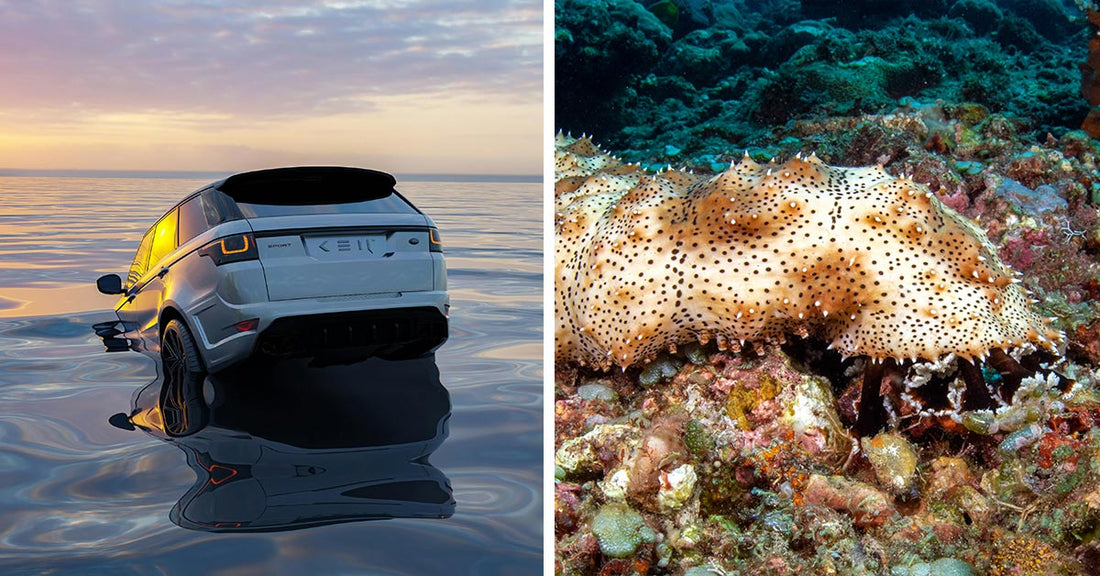
A transatlantic car carrier called the Felicity Ace left Emden bound for Rhode Island packed with high-end vehicles. In mid-February 2022, a fire broke out aboard the 200-meter Felicity Ace near the Azores, and all 22 crew were airlifted to safety.
Salvage teams tried to cool the hull and tow the ship. It listed to starboard and slipped under at a site roughly 30,000 feet deep, according to CBS News.
The blaze was fed by electric-vehicle battery fires that are notoriously hard to extinguish, complicating the response.

The Felicity Ace carried nearly 4,000 luxury cars.
What Went Down With It
On board were nearly 4,000 vehicles—Audis, Volkswagens, Porsches, Bentleys, and Lamborghinis—now resting on the seabed. Bentley later confirmed 189 cars were aboard, and Porsche tallied around 1,100, per BBC News. Early estimates of the haul’s value ranged widely: about $335 million in losses, reports CarBuzz, while Volkswagen analysts put cargo value near $401 million, noted Supercar Blondie.
Some vehicles were rare or bespoke—Aventador Ultimae models among them—now irretrievable at abyssal depth, Unbelievable Facts reports. Insurers would shoulder much of the hit, but estimates still ran into nine figures.

Porsche, Bentley, Lamborghini, Audi, and VW cars were lost.
A Fragile Sea at Risk
Initial overflights saw only a thin oil sheen, broken up by tugs at the site, according to the Portuguese navy via CBS News. Yet the long-term hazard remains. The wreck carried about 2,000 metric tons of fuel and 2,000 metric tons of oil, and thousands of cars with batteries, fluids, and acids—materials that can leach into deep benthic habitats.
Deep-sea ecologist Ana Colaço warned that a sunken hull on soft sediment disrupts a community of sea cucumbers, worms, crustaceans, sponges, corals, and fish—the deep ocean is “very high” in diversity.
This matters in the Azores, a mid-Atlantic crossroads where seamounts nurture corals, tuna, sharks, dolphins, and migrating whales. Pollution here could ripple through food webs, Unbelievable Facts repots. Even without a dramatic slick, the slow release of oils and battery components at depth can stress fragile communities for years.
Monitoring continues. Replacement cars will roll off lines. The wreck, though, stays put.

Scientists fear long-term impacts on marine biodiversity.
Fire Lessons at Sea
Lithium-ion cargo requires specialized firefighting and containment. The Felicity Ace’s fate—burning for days, sinking 250 miles off the Azores while under tow—shows how quickly a transport link can become an ecological risk, as BBC News reports. The ocean now holds the bill.