
Deputies Uncover Dead And Starving Animals And Make An Aggravated Cruelty Arrest
Guest Contributor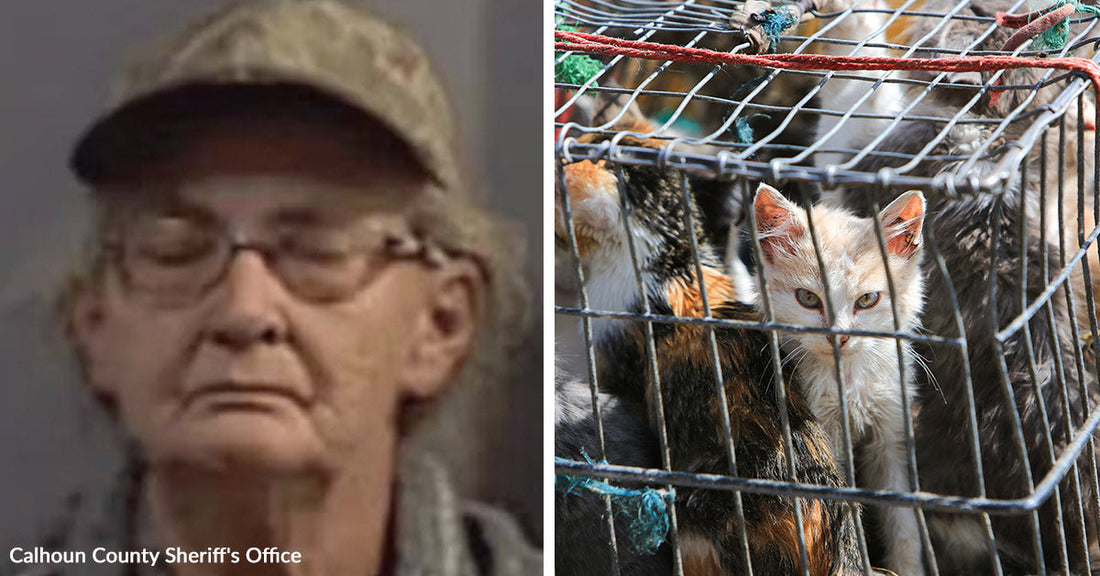
The rescue of 85 animals from heartbreaking conditions in Calhoun County, Florida, is a story that is as difficult to read as it is important to share. It highlights the grim reality of animal cruelty, the challenges law enforcement faces in rural communities, and the critical role that animal rescues play when cases of severe neglect come to light. For anyone who cares about animal welfare or animal rescue efforts, this case offers stark lessons about vigilance, compassion, and community responsibility.

According to reports, deputies in Calhoun County arrested an Altha woman, Dawn Elrod, on aggravated animal cruelty charges after receiving disturbing information about dead and malnourished animals on the property where she was living. When investigators and rescuers arrived, they did not just find a few animals in distress. They discovered dozens of living animals surrounded by the remains of those that had not survived.
The nonprofit Alaqua Animal Refuge confirmed that 85 animals were ultimately rescued from the property and are now receiving treatment. Those animals included wolf dogs, cats, goats, rabbits, and other livestock. The variety and number of animals suggest that this situation built up over a long period of time rather than appearing overnight, which is part of what makes this case particularly haunting.
This story traces back to 2022, when Elrod reportedly reached out for help moving animals in order to protect them from a fire. A Colorado rescue group named Pack 22 Alpha, along with Alaqua Animal Refuge, initially became involved at that point. What may have begun as an attempt to help animals in danger of a natural disaster appears, over time, to have evolved into a complex and deeply troubling case of animal hoarding and neglect.
Calhoun County deputies launched an investigation after receiving reports and photographs that showed the condition of animals on the property. Armed with that evidence, they obtained a warrant and called on Alaqua Animal Refuge and Pack 22 Alpha to help with what would become an extensive and emotionally draining removal operation. Laurie Hood, founder and CEO of Alaqua, explained that her team originally believed they were only going to visually assess the situation, not carry out a full-scale rescue.
Hood recalled that when she met the woman living on the property, the animals were signed over to the rescue. The woman reportedly did not even know how many animals were present. That detail points to a pattern common in severe neglect or hoarding scenarios: the situation slowly spirals beyond the owner’s control, to a point where there is no accurate count and no realistic ability to provide basic care.
What rescuers actually encountered has been described as chaotic, overwhelming, and deeply distressing. Hood said that when they stepped onto the property, animals were “screaming out for help” and there were bones scattered everywhere. In her words, what set this case apart was the sheer number of deceased animals on-site. There were remains in various conditions, from recently deceased animals to bags filled with bones, as well as a pit filled with skeletal remains.
Even weeks after the surviving animals were removed, the stench of decay reportedly lingered at the property. This image of a place where life and death collided so starkly is difficult to shake. I found this detail striking because it underscores how long cruelty can go unnoticed or unaddressed until someone speaks up.
The physical rescue operation itself took three days. Over that time, teams worked to carefully remove all 85 surviving animals and transport them to safety. Some were placed with other rescue organizations or foster homes, while others were brought directly to Alaqua Animal Refuge to begin the slow process of recovery and rehabilitation. Hood noted that a few of the animals did not survive even after being removed, which sadly is not uncommon in severe neglect cases, yet she emphasized that the majority are now improving day by day.
It is important to recognize the local law enforcement context in cases like this. Calhoun County Sheriff Michael Bryant explained that his office does not have the internal resources to handle a large-scale animal cruelty case without outside help. He expressed gratitude for Alaqua and the other rescuers who stepped in to provide support, veterinary care, and placement. His comments underscore a reality that many rural communities face: even when deputies are committed to enforcing animal cruelty laws, they often rely heavily on partnerships with nonprofit organizations.
Sheriff Bryant also pointed to a limitation that affects prevention. He noted that he was not aware of any law that specifically limits the number of animals an individual can own. Without a cap on numbers, authorities generally must wait until visible neglect, cruelty, or complaints arise before intervening. That statutory gap makes proactive animal welfare work all the more essential, particularly education and early reporting.
Alaqua Animal Refuge has stressed that situations of animal hoarding or neglect typically do not appear suddenly. Instead they develop gradually, as an owner becomes overwhelmed, resources run out, and proper care falls further and further behind. The organization is urging community members to speak up when they see early warning signs such as numerous animals in poor condition, strong odors, or obvious lack of food, water, or shelter. Their message is clear: it is far better to reach out for help early than to wait until conditions become fatal.
At the same time, Alaqua has also extended compassion to people who may be in over their heads with too many animals. They encourage anyone feeling overwhelmed to contact a rescue organization before things deteriorate. The implication is that addressing animal overcrowding and neglect is not only about criminal charges but also about creating pathways to surrender animals safely and humanely.
For the animals that survived this Calhoun County animal cruelty case, recovery is now underway. At Alaqua and partnering organizations, the rescued dogs, cats, goats, rabbits, and livestock are learning what consistent food, clean water, veterinary care, and safe shelter feel like. Some are starting to adjust to new surroundings and new routines after living in cramped, unhealthy conditions for so long. The refuge reports that some of the animals are already available for adoption and is posting updates on social media for those who want to follow their progress or provide a permanent home.
This case is a painful reminder of why supporting animal rescue groups and staying alert to signs of neglect matter so much. For readers who want to make a difference, spreading awareness about responsible pet ownership, reporting suspected cruelty, and considering adoption from reputable rescues are all meaningful steps. The story from Calhoun County is heartbreaking, but the coordinated response from deputies and rescuers also shows how communities can come together to give animals a second chance when everything has gone wrong.