
🚨Urgent: Missile Strikes Shelter in Ukraine! Rush Emergency Aid!
Branding Burns Leave Horses in Agony as Tradition Overrides Welfare
Matthew Russell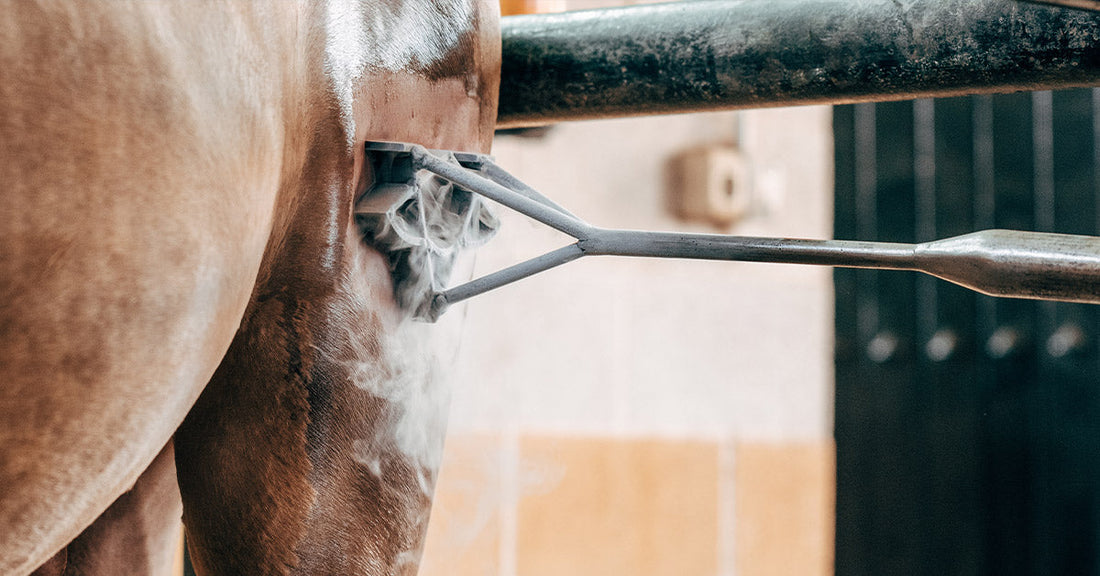
Branding has long been presented as a simple mark of identity. For horses, though, the practice carries a far heavier burden. Burning or freezing a symbol into the skin leaves a permanent identifier, yet the moment of impact can trigger intense pain, distress, and lasting wounds. These reactions call into question why such methods remain common when far less invasive alternatives exist.

Hot branding burns through hair, skin, and tissue.
Hot Irons and Lasting Damage
Hot branding uses heated metal to burn through hair, skin, and tissue. The resulting scar is clear and permanent, but the process causes immediate tissue destruction and strong pain responses. Research comparing hot branding with microchip implantation found that horses resisted the iron far more intensely and showed higher sensitivity afterward, according to PubMed. Skin temperatures rose and swelling developed around the burn area, reflecting significant inflammation.
Additional findings show that hot branding triggers elevated autonomic stress. Young horses subjected to the procedure displayed more limb movements and escape behaviors, indicating discomfort and panic, as reported by ScienceDirect. Although cortisol levels did not differ between branding types in that study, the physiological responses were clear: hot branding caused greater sympathetic activation and created more open wounds.

Horses show strong pain reactions to heated irons.
Freeze Branding Still Hurts
Freeze branding, often framed as the humane alternative, relies on supercooled irons that kill pigment cells. Hair grows back white, forming the mark. This method causes fewer open wounds and produces less severe autonomic stress than heat, according to ScienceDirect.
Yet freeze branding still requires restraint, still shocks the skin, and still triggers pain responses. Misapplication can destroy hair follicles entirely, leaving a bald patch. Horses with light coats may end up with brands that are hard to read, prompting handlers to extend application times—an action that increases the likelihood of tissue damage, as noted by Mad Barn.

Freeze branding still causes shock and discomfort.
A Tradition That Conflicts With Modern Animal Welfare
Branding’s roots stretch back thousands of years. It was once essential for identifying stolen animals and managing herds that roamed vast territories. Breed registries later adopted branding as a required marker for lineage and ownership. Today, organizations still defend the practice as a cultural standard or a visible, uncomplicated form of identification, explained by eHorses.
But welfare science paints a different picture. Branding disrupts natural behaviors in foals, including suckling and play. The burns are severe enough to cause pain behaviors and distraction in young animals. Even arguments favoring freeze branding acknowledge that the technique can injure skin and requires precise timing and trained handlers.

Both branding methods induce measurable stress responses.
Better Options Exist
Microchipping and biometric identification offer reliable alternatives without causing burns. Studies show that microchip implantation produces far milder reactions than hot branding, with fewer signs of inflammation or sensitivity afterward, according to PubMed.
Modern welfare standards increasingly recognize that the goal of identifying horses does not justify unnecessary pain. Advances such as digital traceability, secure registries, and noninvasive technology render traditional branding obsolete.
Branding may leave a clear mark, but it also leaves a clear question: if humane, accurate, and permanent options are already available, why cause avoidable suffering at all?
Click below to make a difference.