
🚨Urgent: Missile Strikes Shelter in Ukraine! Rush Emergency Aid!
How to Tell the Difference Between Grizzly and Black Bears
Andrea Powell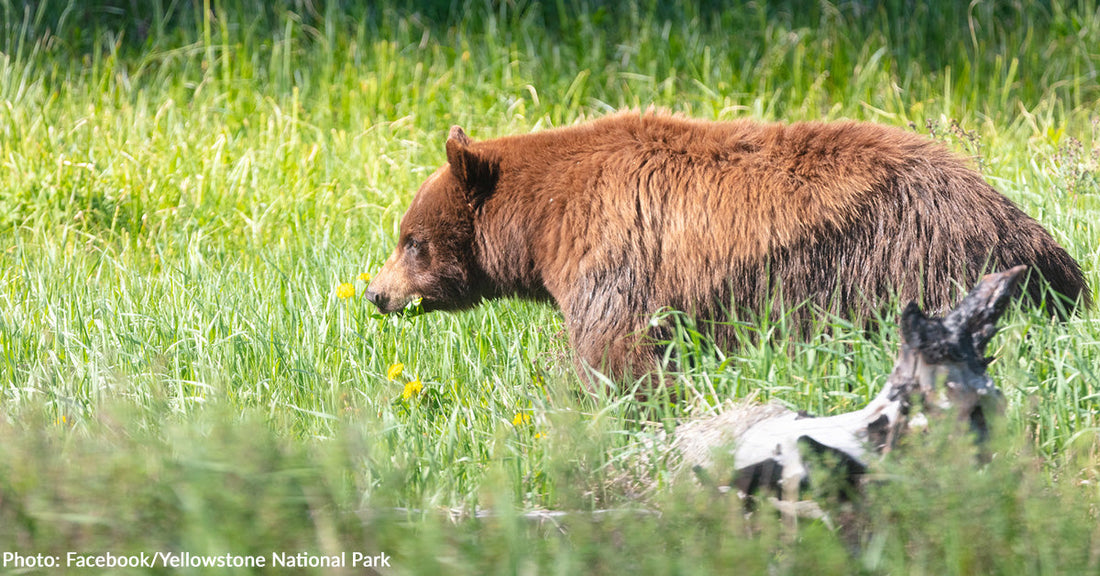
If you are a hiker, horseback rider, or tourist around Yellowstone National Park you could encounter or spot a bear on the trail, boardwalk, or parking lot.
There are many ways to stay safe, like having and knowing how to use bear spray, keeping a safe distance away (at least 100 yards), and traveling in groups.

Photo: Pixabay
But do you know how to tell the difference between a grizzly and black bear?
The answer is not to climb a tree and see if the bear climbs it (black bear) or knocks it down (grizzly), no matter who shared this wisdom with you.
Yellowstone National Park recently shared a post about the distinct differences between the bears to keep visitors aware and safe.

Photo: Pixabay
Color might be the initial way most people think to identify a bear. However, black bears can also be brown, blond, or cinnamon color. The next viable option would be size, but once again this can be deceiving. Large black bears can sometimes be larger than female grizzlies.
So, what is the best way to tell the difference?
According to park rangers, "To identify a bear, your best bet is to observe the bear’s silhouette as it moves across the landscape. In most body positions, a black bear does not have a prominent shoulder hump like a grizzly does. Black bears also have large ears and a straighter, more canine-like, facial profile than a grizzly."

Check out the photos below to see if you can identify which is which.


There are an estimated 200 grizzlies and many more black bear that live in the massive park. The rule is the same no matter which type of bear you encounter - keep a safe distance away and walk, don't run.
Bears are getting ready for hibernation and are currently in "hyperphagia" where they eat a lot and gain more than three pounds a day. This also means they are entering lower areas in search of food and more likely to encounter people.
Stay safe friends, and remember you are a visitor in the home of many wild animals. Please follow the rules.