
🚨Urgent: Missile Strikes Shelter in Ukraine! Rush Emergency Aid!
Miami Seaquarium’s Last Show Ends But The Animals Still Wait For Rescue
Matthew Russell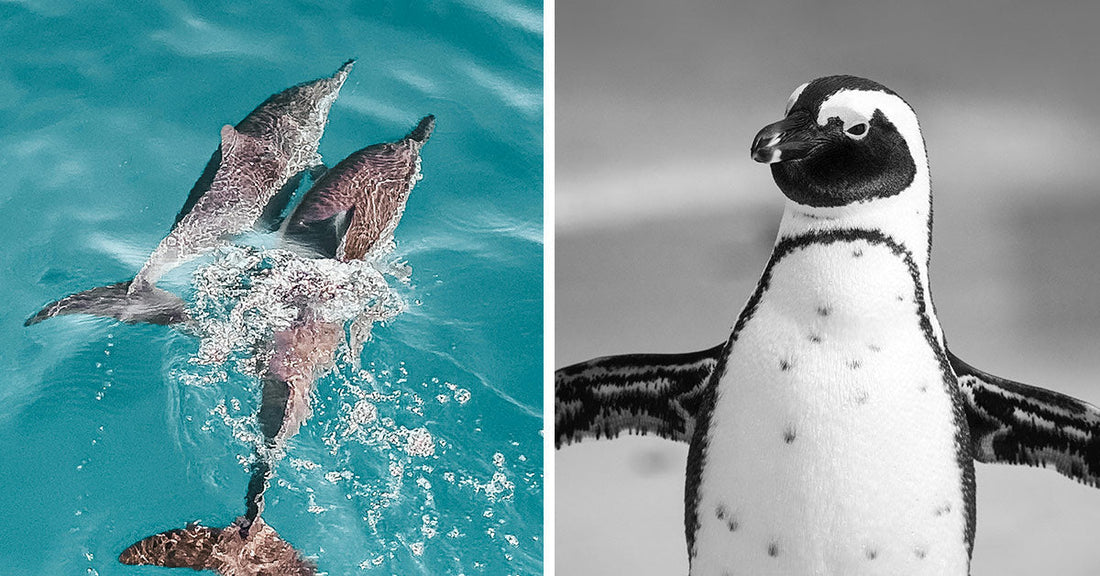
The gates are shut, the crowds gone. Yet more than memories remain at Virginia Key. Miami Seaquarium closed to visitors on October 12, 2025, ending a 70-year run, while a new leaseholder plans a marina, retail, and an aquarium without marine mammals, USA TODAY reports. The immediate question is simpler and harder: where do the animals go now?

Miami Seaquarium closed after 70 years. The property may become a marina and mammal-free aquarium.
How Many Animals—and How Soon?
Park tallies vary. A July federal inspection suggested roughly 90 animals on site, including at least 17 dolphins, 10 sea lions, nine penguins, and eight seals, according to Axios. The company has said it will move animals to “new permanent homes” in the coming months with an international transfer consultant, per bankruptcy filings. Separately, county officials were told the property will be redeveloped by Terra and that remaining 16 dolphins and more than 20 seals and sea lions must be relocated, USA TODAY reports.
Risks of Moving Geriatric Marine Mammals
Transfers carry real risk for older or fragile animals. After Tokitae—also known as Lolita—died in 2023, several of her former tankmates were moved: Elelo and Loki, a mother-son pair of Pacific white-sided dolphins sent to Chicago, died within a year; Juliet, a manatee moved to ZooTampa, also died, DIVE Magazine reports.
Citing those losses, former trainer Valerie Warren launched a petition urging that the oldest animals remain under care on site until transparent, humane alternatives are secured, according to DIVE Magazine.

Dozens of animals remain on site awaiting transfer.
Sanctuaries, Sea Pens, or Accredited Zoos?
Animal-protection groups want case-by-case evaluations with releases where feasible and seaside sanctuaries where not. PETA called for comprehensive assessments and transfers to reputable sanctuaries and marked the closure with a public toast. But North America lacks ready sanctuary capacity for multiple cetaceans; even advocates say wild releases are unlikely for animals conditioned to human care, USA TODAY notes. A pragmatic interim model—ocean enclosures with veterinary oversight—could provide space and current while maintaining care, said the Whale Sanctuary Project’s Charles Vinick in comments to Axios.

Former staff warn that moving elderly animals can be deadly.
Lessons from Abroad—and from the Park’s Past
Closures elsewhere show how limbo can stretch. In France, after Marineland Antibes closed to shows, orcas Wikie and Keijo and a dozen dolphins remained in deteriorating tanks; an official review concluded that a Nova Scotia sanctuary proposal best meets technical and financial criteria, The Animal Reader reports.
In Canada, Marineland’s bid to export 30 belugas to China was denied over welfare concerns; the facility warned of culls without support, according to The Animal Reader.
Miami’s transition follows years of welfare citations, lost certifications, and public pressure. Advocates stress that any redevelopment must exclude dolphin displays and that relocation plans protect each animal’s health, Dolphin Project reports. The path ahead is not symbolic. It will be measured in individual outcomes.

Older animals need medical clearance before transport.
What to Watch Next
A court decision on the lease transfer and published relocation plans will set the timetable. Until then, regular health assessments, disclosed destinations, and third-party oversight remain the benchmarks for a humane exit, as outlined across filings and statements. The story does not end at the turnstile; it begins with where each animal lands.
Click below to make a difference.