
🚨Urgent: Missile Strikes Shelter in Ukraine! Rush Emergency Aid!
Cold-Stunned Sea Turtles Need Airlift to Warmer Climates to Survive
Andrea Powell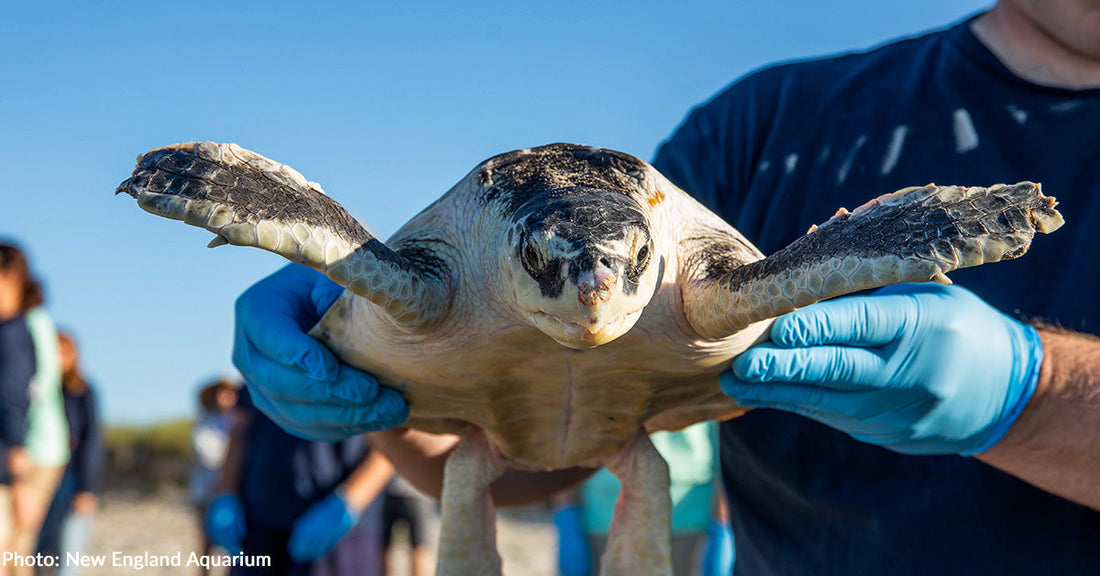
As temperatures continue to drop across the country, endangered sea turtles face another threat.
Sea turtles migrate hundreds to thousands of miles each year between feeding and breeding grounds. They head north during the summer months to find cooler water and head south in the fall to find warmer water. They are in search of water temperatures over 70 degrees.

Photo: Pexels

However, as ocean temperatures rise, turtles are traveling farther north in the summer, making it harder to reach warmer water in the fall.
The cold-blooded reptiles are very sensitive to temperature changes. If water temperatures fall below 50 degrees, the sea turtles will become cold-stunned, a form of hypothermia.

Photo: Sea Turtle Inc.
This potentially deadly condition affects turtles' circulation, organ functions, and immune systems, leaving them very weak and unable to swim. This can cause them to drown and makes them more vulnerable to predators. Hundreds of turtles can be stunned in one area alone.

Photo: Sea Turtle Inc.
They need to be immediately rescued and transported to a warmer location for release.
How You Can Help - Operation Turtle Takeoff
To help prevent turtles from dying of cold-stunning, Operation Turtle Takeoff will rehabilitate and fly cold-stunned turtles to warmer waters. These flights are crucial to release turtles as quickly as possible, saving their lives and ensuring that they can give birth to the next generation.

We were informed that 35 cold-stunned turtles need transportation to North Carolina. Will you help fly them to safety?
Next Flight
Date: Wednesday, November 19
Passengers: 35 Kemp's ridley and Green sea turtles
Departing: Bedford, MA
Arriving: Beaufort, NC

Photo: New England Aquarium
Just $50 flies a turtle 100 miles to safety.

How Operation Turtle Takeoff Works
Rescue organizations operate hotlines and have trained staff and volunteers monitor New England beaches during stranding season. When turtles are rescued, they are stabilized and transferred to the New England Aquarium's Sea Turtle Hospital, for rehabilitation. Turtles are closely monitored by marine biologists as they are gradually warmed in recovery pools and reintroduced to feeding.

Photo: New England Aquarium
After their individualized treatment plan has been met and they've passed diagnostic tests, turtles are cleared for takeoff. Turtles are flown with a heat pack and bedding to maintain their temperature. Receiving organizations will assess their health and complete the rehabilitation process before releasing the turtles back into the wild.
Help save cold-stunned turtles by flying them to warmer waters. Donate today!