
Why Vaccinating Dogs and Cats is Vital to Their Health
Andrea Powell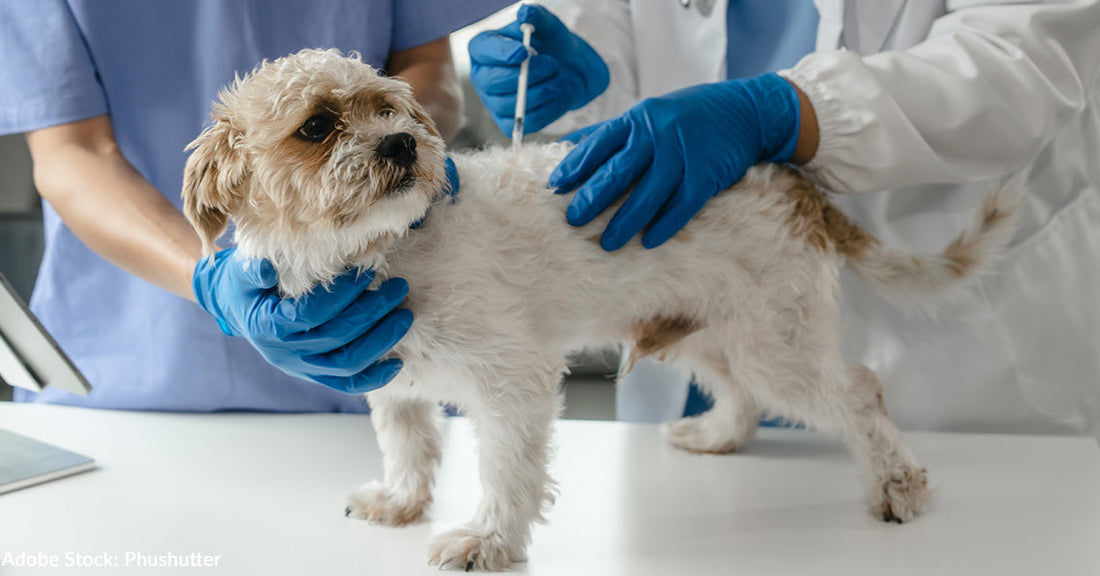
The best way to protect cats and dogs - especially ones living in shelters and rescues - from highly contagious and deadly diseases is with vaccines.
According to the American Veterinary Medical Association, "widespread use of vaccinations within the last century has prevented death and disease in millions of animals."


Why Cats and Dogs Should be Vaccinated
- Saves lives against deadly diseases
- Prevents many contagious illnesses that can be spread to other animals and humans
- Avoid costly treatments for preventable diseases
- State law requires pets to have certain vaccines
American Humane Society shared the core vaccines that all cats and dogs should get. Core vaccines for cats include rabies and a "distemper" shot.
They said, "Commonly called the “distemper” shot, this combination vaccine protects against three diseases: feline panleukopenia (feline distemper), feline viral rhinotracheitis (feline herpes), calicivirus plus Feline leukemia virus (FeLV) which is one of the most common infectious diseases in cats, affecting between 2 and 3 percent of all cats in the United States.

For dogs the core vaccines include rabies and a combination distemper shot that prevents against canine distemper, parvovirus, adenovirus, and parainfluenza virus.
DVM Mark Freeman who is also a clinical associate professor at Virginia-Maryland College of Veterinary Medicine states that vaccines are, "remarkably safe and effective, and truly protect our beloved four-legged companions against significant, often fatal, diseases".
While rare, serious reactions can occur, so speak to your veterinarian with any concerns.
Help Prevent Disease Outbreaks at Animal Shelters
Animal shelters nationwide are overcrowded and overwhelmed as new animals arrive daily. The small spaces shared with numerous pets can result in disease outbreaks.
Shelters often see an increase in canine and feline respiratory infections, parvovirus, and ringworm during the warmer months, also known as "kitten season".

The influx of kittens and puppies, who may not immediately show signs of illnesses, and the limited space can quickly lead to a health crisis.
Sadly, countless animals die each year from preventable diseases.
These preventable diseases spread rapidly among unvaccinated animals. Shelter staff and volunteers do their best to care for the animals, but they need our support.

Their budgets are stretched thin just feeding all the animals in their care. Vaccines are vital at animal shelters to ensure the cats and dogs stay happy and healthy so they can find forever homes.
Donate today to help provide much-needed vaccines to shelter animals. Just $5 can provide a vaccine to a pet. Together, we can give shelter pets a shot at life.